

If you’ve ever stood in front of the mirror wondering why your skincare routine still isn’t working, you’re not alone. For many women, acne doesn’t stop after the teenage years. Hormonal changes, stress, lifestyle shifts, and even the wrong skincare products can trigger persistent breakouts well into adulthood.
That’s why the conversation around skincare has shifted. Instead of one-size-fits-all creams, more women are turning to personalized acne solutions that address their specific skin type, triggers, and concerns. One of the most recognized brands in this space is Curology, known for its custom prescription-based approach to acne and bodycare.
But what makes personalized skincare different, and is it worth it? Let’s break it down.
Why Acne Is Different for Women
Acne in women often behaves differently than in teenagers. Adult female acne tends to:
- Appear along the jawline and chin
- Flare up around menstrual cycles
- Persist despite using high-quality skincare
- Leave behind pigmentation and scarring
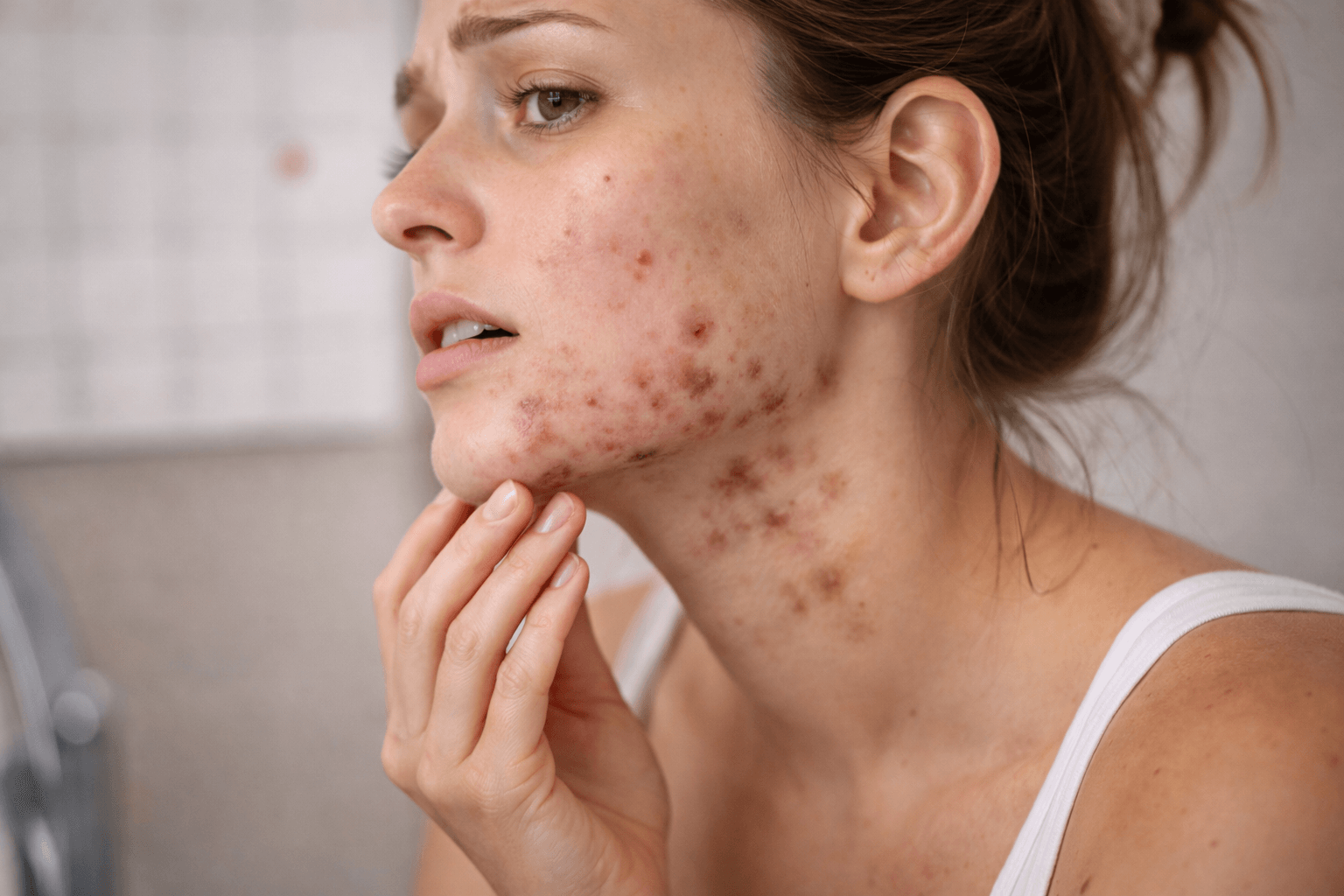
Hormonal shifts play a major role. Estrogen and progesterone fluctuations can increase oil production, clog pores, and trigger inflammation. Add stress hormones like cortisol into the mix, and breakouts become even more stubborn.
This is where many over-the-counter products fall short. Drugstore cleansers and spot treatments may reduce surface oil, but they don’t always target the underlying causes of acne.
A real acne solution requires something more strategic.
What Makes Personalized Skincare Different?
Traditional skincare brands create products for “normal,” “dry,” or “oily” skin types. But real skin doesn’t always fit neatly into those categories.
Personalized skincare takes a different approach. Instead of guessing, it uses:
- Skin assessments
- Provider review
- Custom ingredient blends
- Ongoing formula adjustments
Rather than layering multiple products and hoping one works, a customized acne solution combines targeted ingredients into one prescription formula tailored to your skin’s needs.
This often includes dermatologist-recommended ingredients such as:
- Tretinoin (a prescription retinoid that increases cell turnover)
- Azelaic acid (reduces redness and clears pores)
- Clindamycin (targets acne-causing bacteria)
- Niacinamide (calms inflammation and strengthens the barrier)
By addressing acne at multiple levels—oil production, bacteria, clogged pores, and inflammation- personalized skincare can deliver more consistent results than random product combinations.
How Curology’s Acne Solution Works
Curology is built around a telehealth model. Instead of booking a traditional dermatologist appointment, users complete an online consultation that includes:
- Skin photos
- Acne history
- Current skincare routine
- Lifestyle and medical information
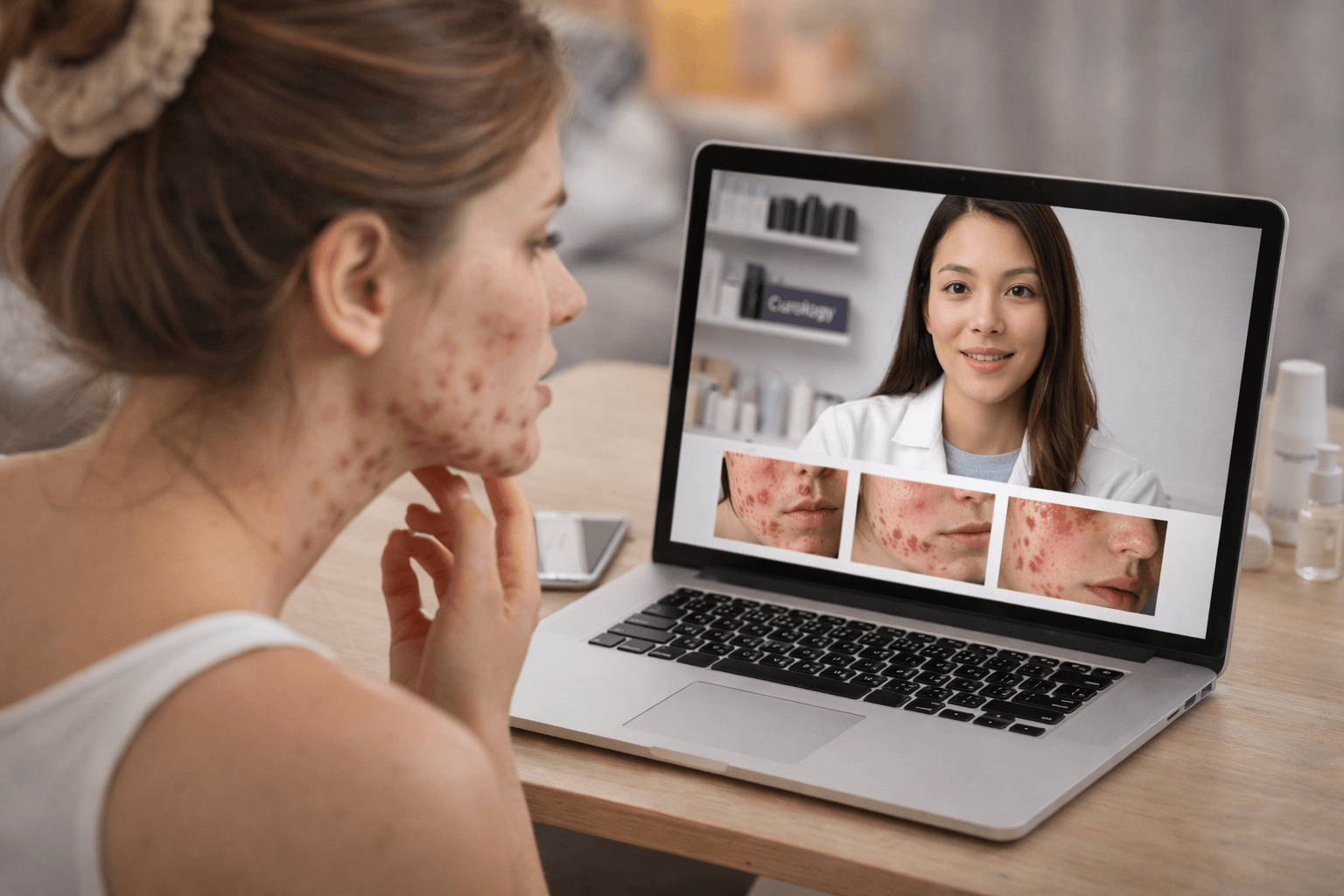
A licensed dermatology provider reviews the information and creates a custom prescription formula tailored to the individual.
Here’s what makes this model appealing:
1. Custom Formulation
Each user receives a formula designed specifically for their skin concerns, whether that’s hormonal acne, blackheads, inflammatory breakouts, or acne scars.
2. Ongoing Adjustments
Skin changes over time. Curology providers can adjust formulas if progress plateaus or new concerns arise.
3. Simplicity
Instead of juggling multiple acne treatments, the custom formula becomes the core step of the routine.
4. Subscription Convenience
Products are delivered regularly, removing the guesswork of restocking.
For many women, this structure solves a major skincare frustration: inconsistency.
Skincare Isn’t Just for Your Face: Why Bodycare Matters
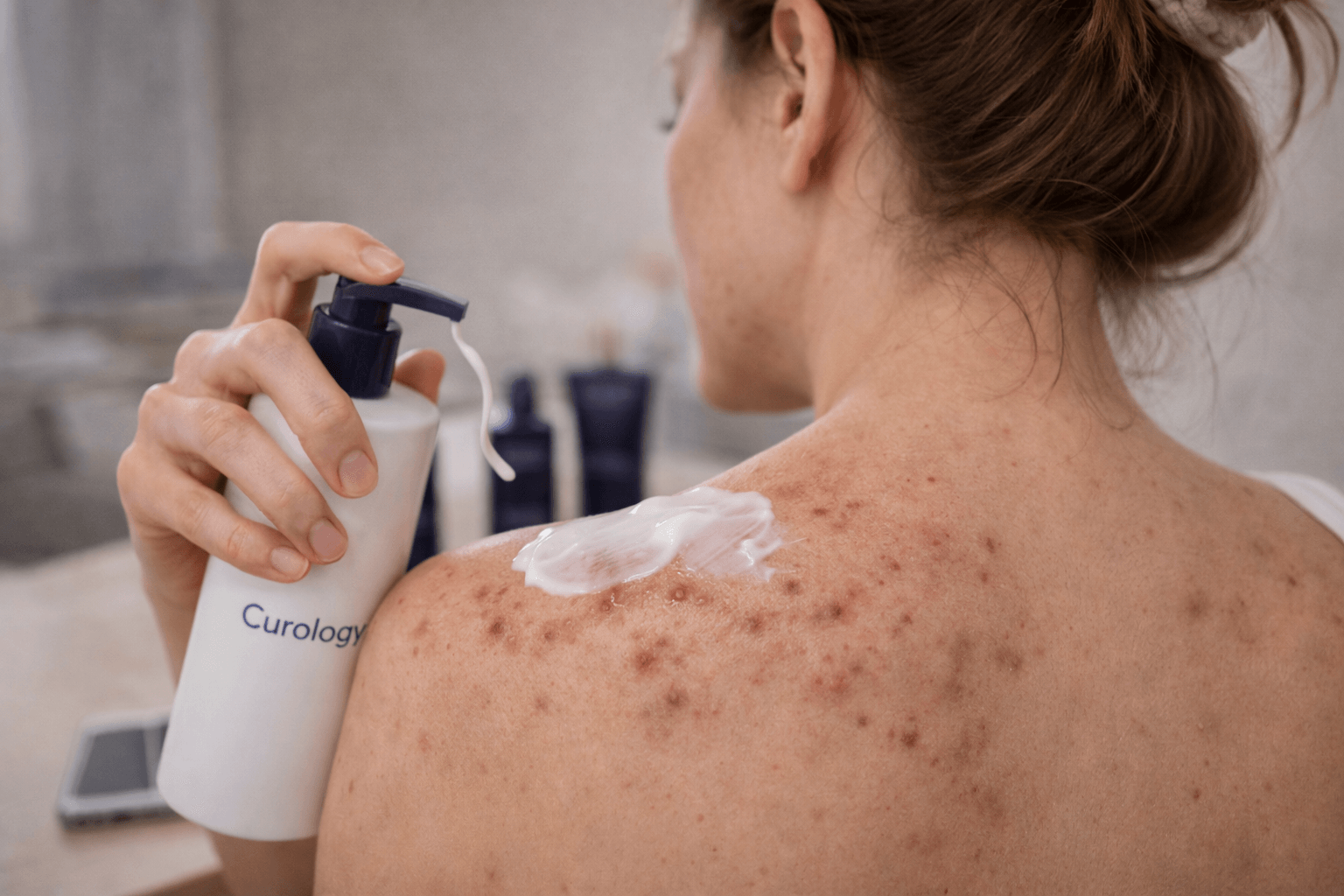
While facial acne gets the most attention, body acne is just as common. Breakouts on the back, chest, and shoulders can be caused by:
- Sweat buildup
- Tight clothing
- Friction
- Hormones
- Heavy body lotions
The skin on the body is thicker than facial skin, which means treatments sometimes need stronger or differently formulated ingredients.
Bodycare-focused acne solutions are gaining popularity because they address this gap. A complete skincare plan should consider:
- Gentle exfoliation
- Targeted acne treatments
- Non-comedogenic moisturizers
- Barrier-supporting ingredients
Ignoring body acne while focusing only on facial skincare often leads to incomplete results.
Prescription vs Over-the-Counter Acne Treatments
When comparing acne solutions, the biggest difference is ingredient strength and customization.
Over-the-counter (OTC) products:
- Contain lower concentrations
- Designed for mass audiences
- May not address hormonal acne
Prescription-based personalized skincare:
- Stronger active ingredients
- Tailored to your skin
- Monitored by licensed providers
While OTC solutions work for mild breakouts, persistent or moderate acne often requires prescription-level support.
Is Personalized Skincare Worth It?
For many women, the biggest skincare expense isn’t one product—it’s trial and error.
Buying cleanser after cleanser, trying viral TikTok products, switching moisturizers every few months—those costs add up quickly.
Personalized acne solutions often reduce that cycle because:
- Ingredients are targeted
- Routine becomes streamlined
- Fewer random purchases are needed
The convenience factor also matters. Instead of scheduling dermatology visits that may cost hundreds of dollars, telehealth skincare models bring provider access online.
Building a Skincare Routine That Actually Works
Even the best acne solution needs a solid foundation.
Here’s a simplified routine framework for acne-prone women:
Morning
Evening
- Cleanser
- Custom acne treatment (like Curology’s formula)
- Moisturizer
For bodycare:
- Shower after sweating
- Use targeted body acne treatment
- Avoid heavy, pore-clogging lotions
Consistency is key. Acne improvement typically takes 6–12 weeks, depending on severity and skin type.
How Long Does It Take to See Results?
One of the most common questions women ask about acne treatment is: “When will my skin clear?”
With prescription-strength personalized skincare:
- Mild acne may improve within 4–6 weeks
- Moderate acne often takes 8–12 weeks
- Hormonal acne may require longer consistency
Temporary dryness or mild irritation can occur when introducing active ingredients, especially retinoids. That’s why provider oversight and gradual adjustments are important.
Patience pays off. Clear skin rarely happens overnight, but structured treatment increases the odds of lasting results.
Who Should Consider a Personalized Acne Solution?
You may benefit from customized skincare if:
- You’ve tried multiple OTC products without success
- Breakouts are recurring or hormonal
- You experience both acne and hyperpigmentation
- You want dermatologist-guided treatment without in-person visits
- You struggle with both facial and body acne
For women seeking long-term clarity instead of temporary fixes, personalized skincare offers a more strategic approach.
The Future of Skincare Is Personal
The beauty industry is moving away from generic formulas and toward individualized care. Just as fitness and nutrition have become personalized, skincare is evolving too.
Women today want:
- Transparency
- Ingredient science
- Clinical backing
- Convenience
- Results
Brands like Curology sit at the intersection of telehealth and beauty, offering a hybrid between medical dermatology and accessible skincare.

Final Thoughts: A Smarter Way to Treat Acne
Acne isn’t just a surface issue—it affects confidence, routines, and daily life. For women dealing with persistent breakouts, the solution often isn’t adding more products—it’s choosing the right ones.
Personalized skincare and prescription-based acne solutions offer a more focused, evidence-driven approach. By combining custom ingredients, provider oversight, and routine simplicity, they aim to deliver clearer skin without endless experimentation.
If you’re tired of guessing what your skin needs, exploring a tailored acne solution could be the step that changes your routine—and your results.