
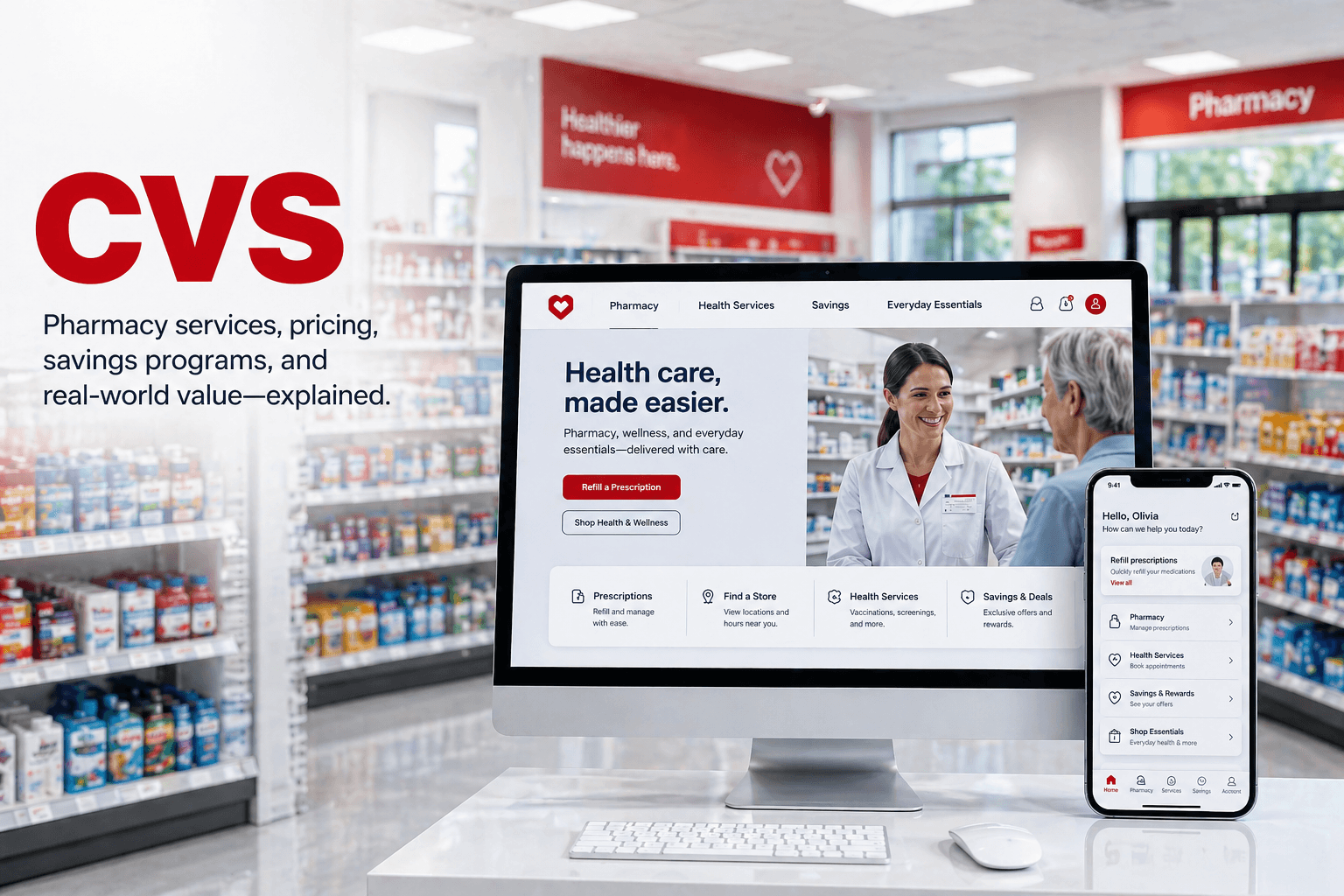
If you’re looking for a one-stop shop for prescriptions, health services, everyday essentials, and convenience, CVS Health has become one of the most dominant players in the U.S. healthcare ecosystem. But in 2026, is CVS actually worth using compared to alternatives?
This guide breaks down CVS services, pricing, pharmacy experience, savings programs, and real-world value — so you can decide if it fits your needs.
What Is CVS? (Quick Overview)
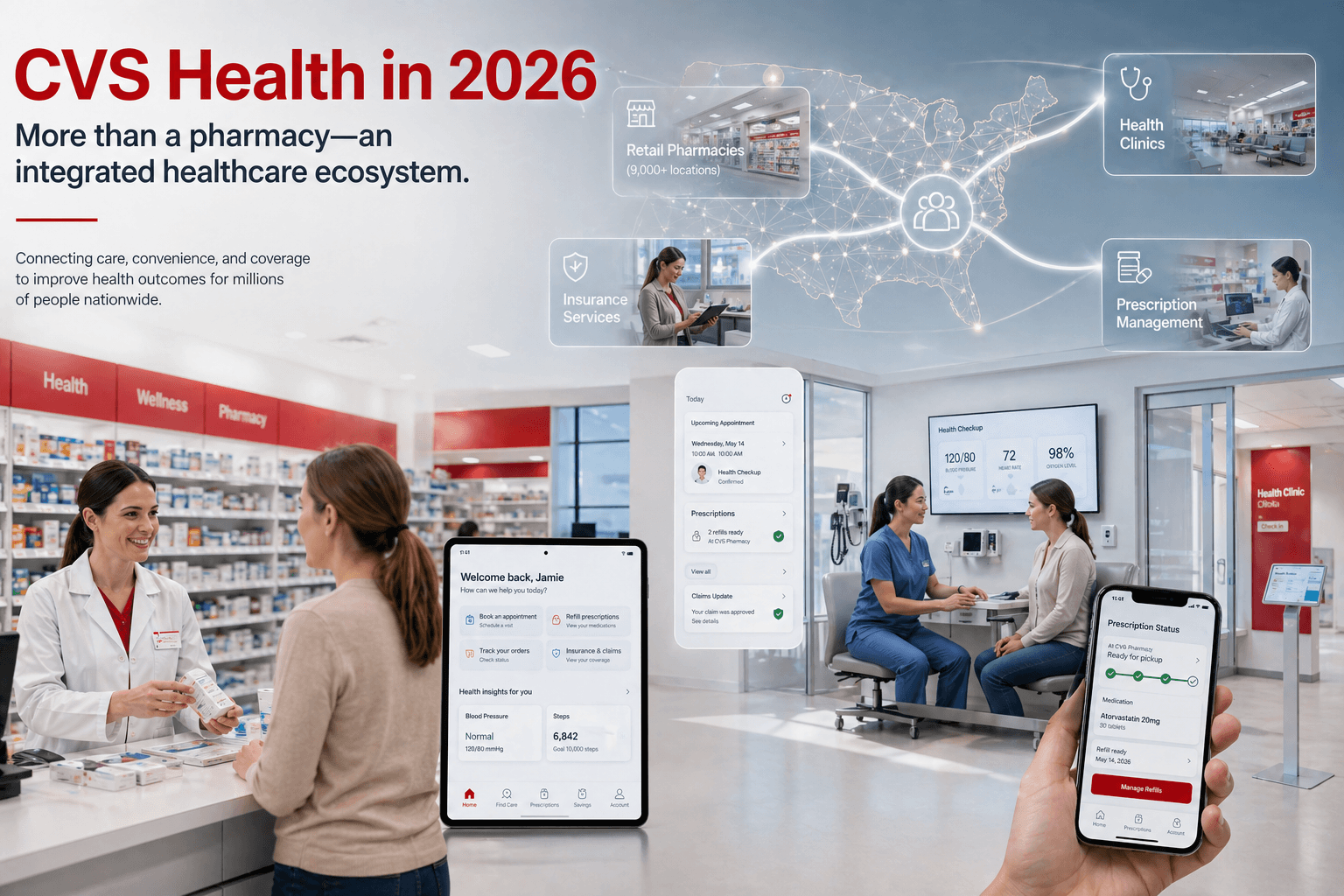
CVS Health is one of the largest healthcare companies in the world, operating:
- Retail pharmacies (9,000+ locations)
- Health clinics (MinuteClinic)
- Insurance (via Aetna)
- Prescription management (Caremark)
It serves millions of customers nationwide, combining physical stores with digital services.
Core idea: CVS isn’t just a pharmacy anymore — it’s a full healthcare ecosystem.
CVS Services Explained (2026)
1. Pharmacy & Prescriptions
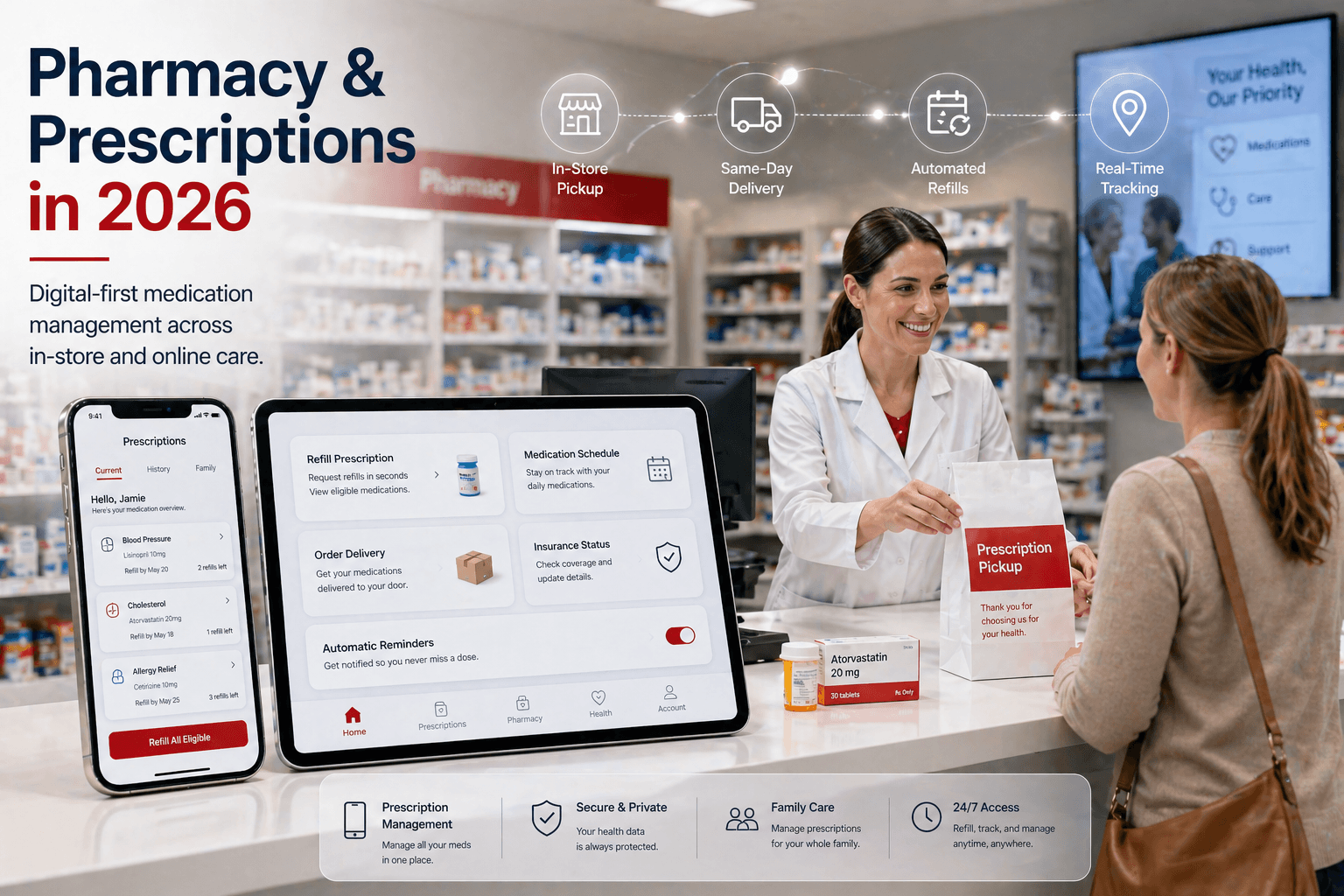
CVS’s core offering remains prescription fulfillment:
- In-store pickup
- Same-day or scheduled delivery
- Automatic refills & reminders
- Prescription tracking via app
You can manage everything online at CVS, including refills and insurance integration.
Standout feature (2026):
CVS is pushing digital-first pharmacy management, making it easier to track meds across multiple prescriptions.
2. MinuteClinic (Walk-In Healthcare)
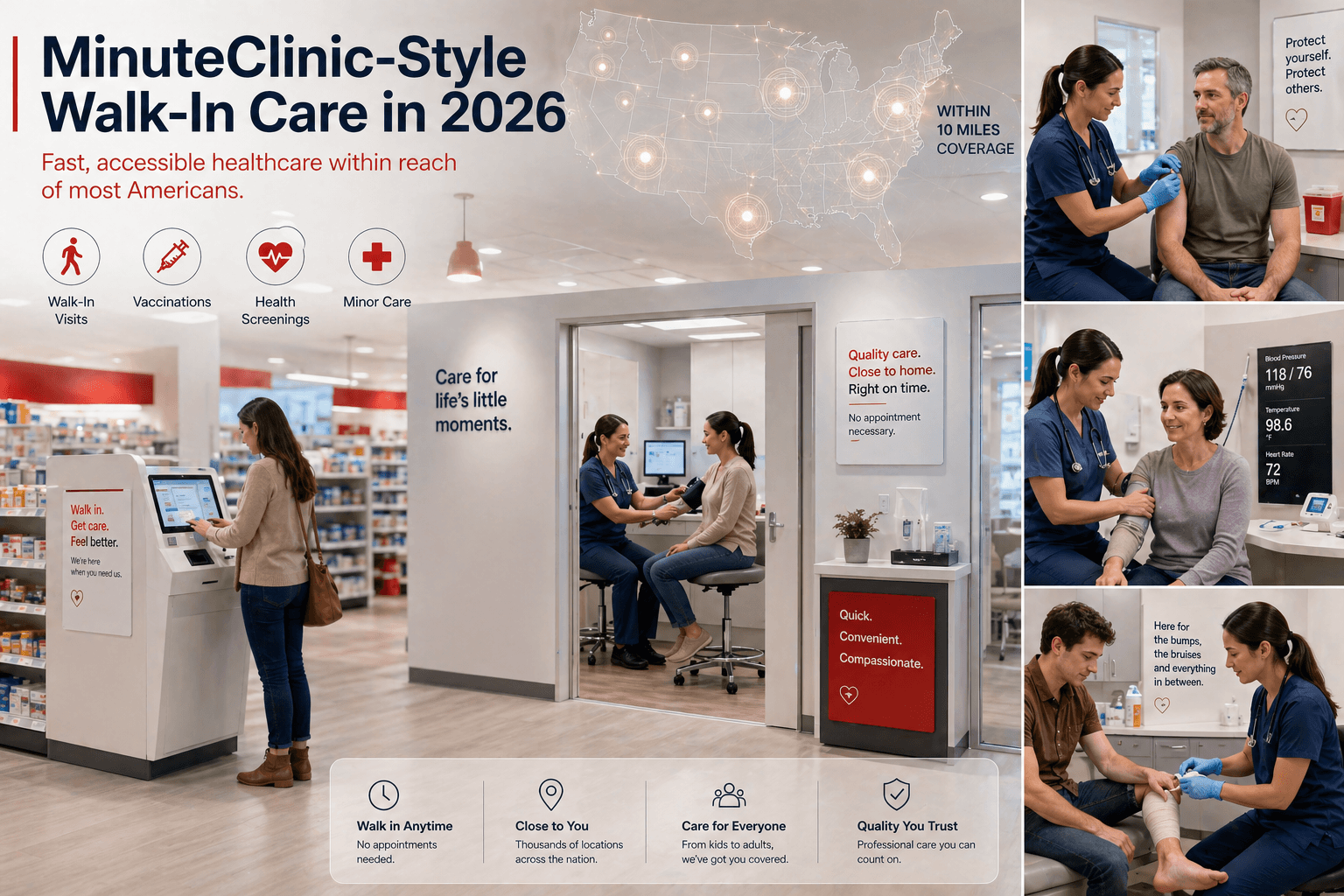
CVS operates over 1,000 walk-in clinics offering:
- Basic illness treatment (flu, infections)
- Vaccinations (often free with insurance)
- Health screenings
- Minor injuries
More than 50% of Americans live within 10 miles of a MinuteClinic, making it one of the most accessible healthcare options.
3. Health Insurance (Aetna Integration)

- Health insurance plans
- Medicare/Medicaid services
- Integrated care coordination
This creates a closed-loop system:
Insurance → Doctor → Pharmacy → Follow-up care
4. Health & Wellness Products
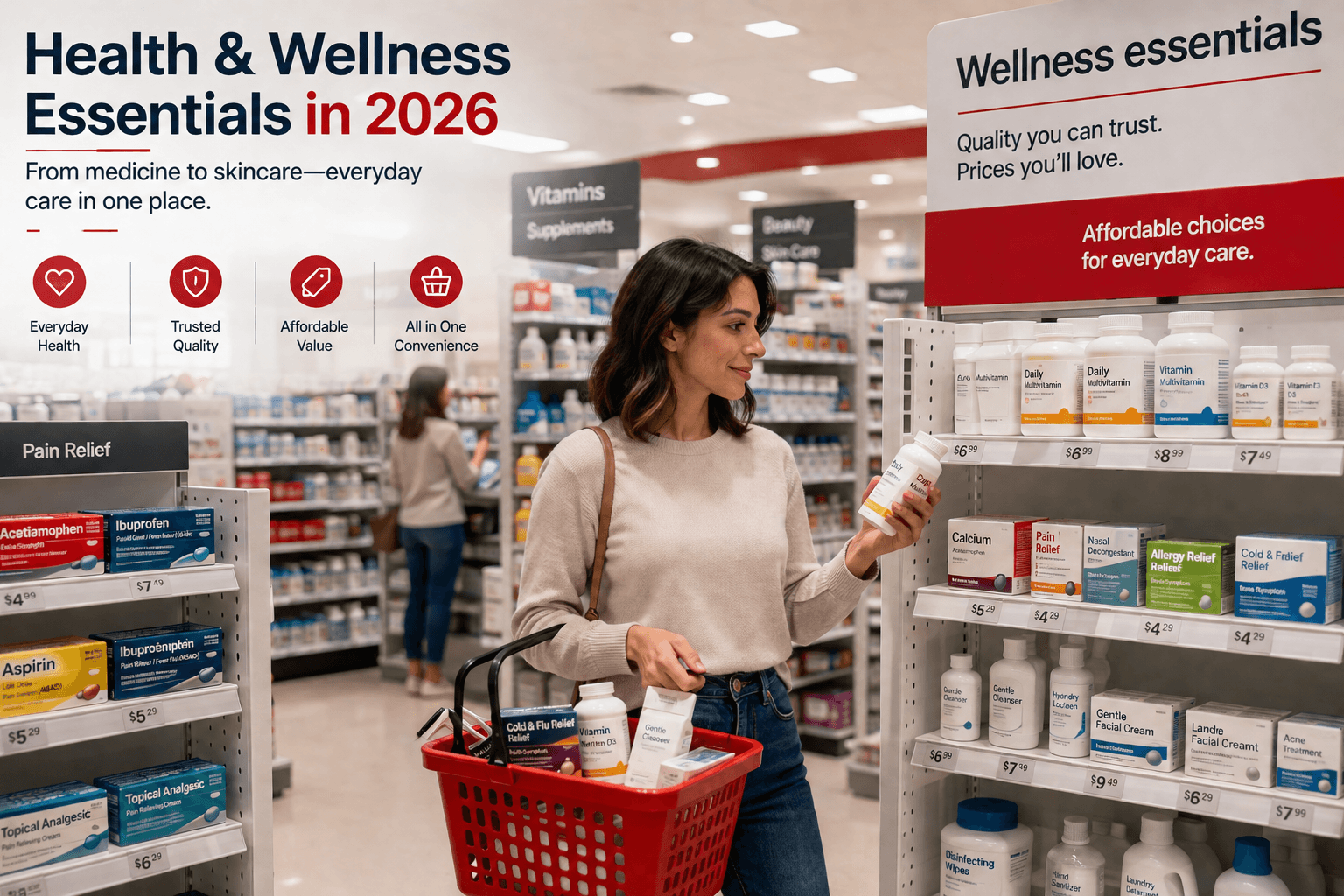
CVS stores also function like convenience + wellness retailers:
- OTC medicine
- Vitamins & supplements
- Beauty & skincare
- Household essentials
Their private-label brands often undercut national brands on price.
5. Prescription Drug Coverage (Caremark)

CVS Caremark manages prescription plans for:
- Employers
- Insurance companies
- Government programs
They help reduce costs and manage drug benefits at scale.
CVS Pricing (2026 Breakdown)
Prescription Pricing Model
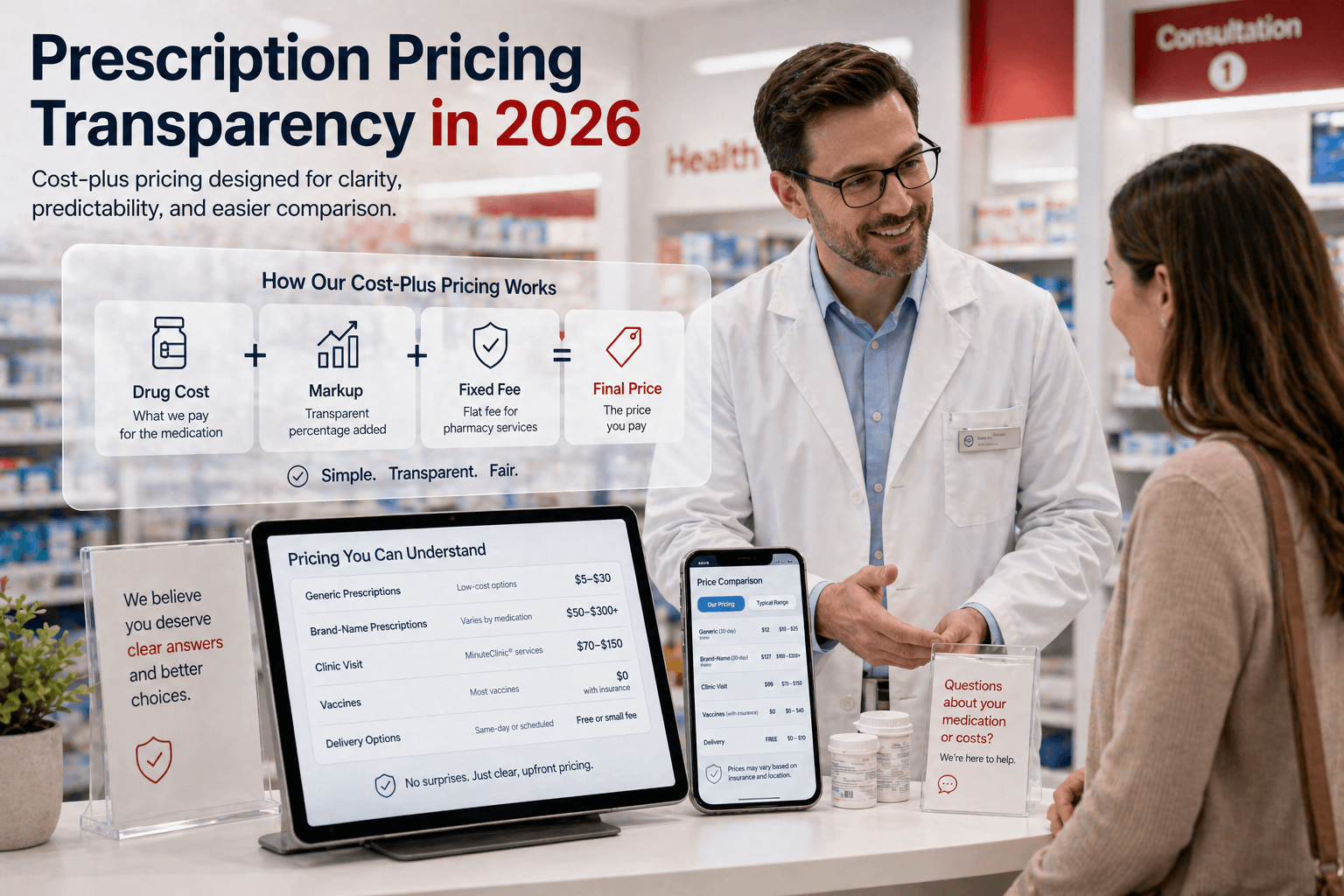
CVS has shifted toward a “cost-plus” pricing model:
- Drug cost + markup + fixed fee
- More transparency vs traditional pricing
This was introduced to simplify pricing and reduce confusion.
What this means for you:
- More predictable pricing
- Easier comparison vs competitors
- Potential savings on generics
Typical Costs at CVS
| Service | Typical Price Range |
| Generic prescriptions | $5–$30 |
| Brand-name prescriptions | $50–$300+ |
| MinuteClinic visit | $70–$150 |
| Vaccines | Often $0 with insurance |
| Delivery | Free or small fee |
Prices vary based on insurance and location.
Savings Programs
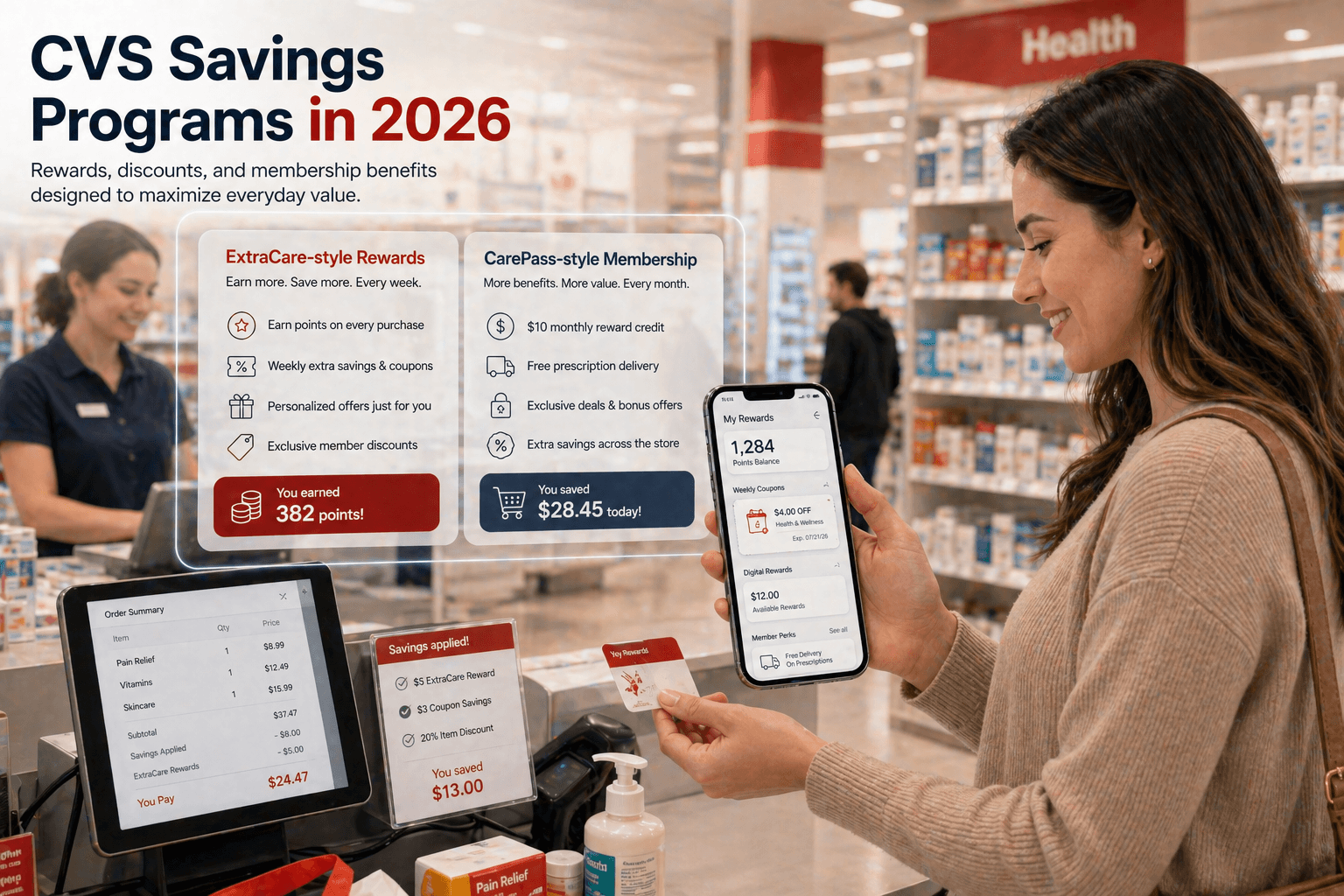
CVS ExtraCare
- Earn rewards on purchases
- Weekly discounts & coupons
CVS CarePass (Paid Membership)
- Monthly $10 reward
- Free delivery on prescriptions
- Exclusive discounts
CVS Pros and Cons (2026)
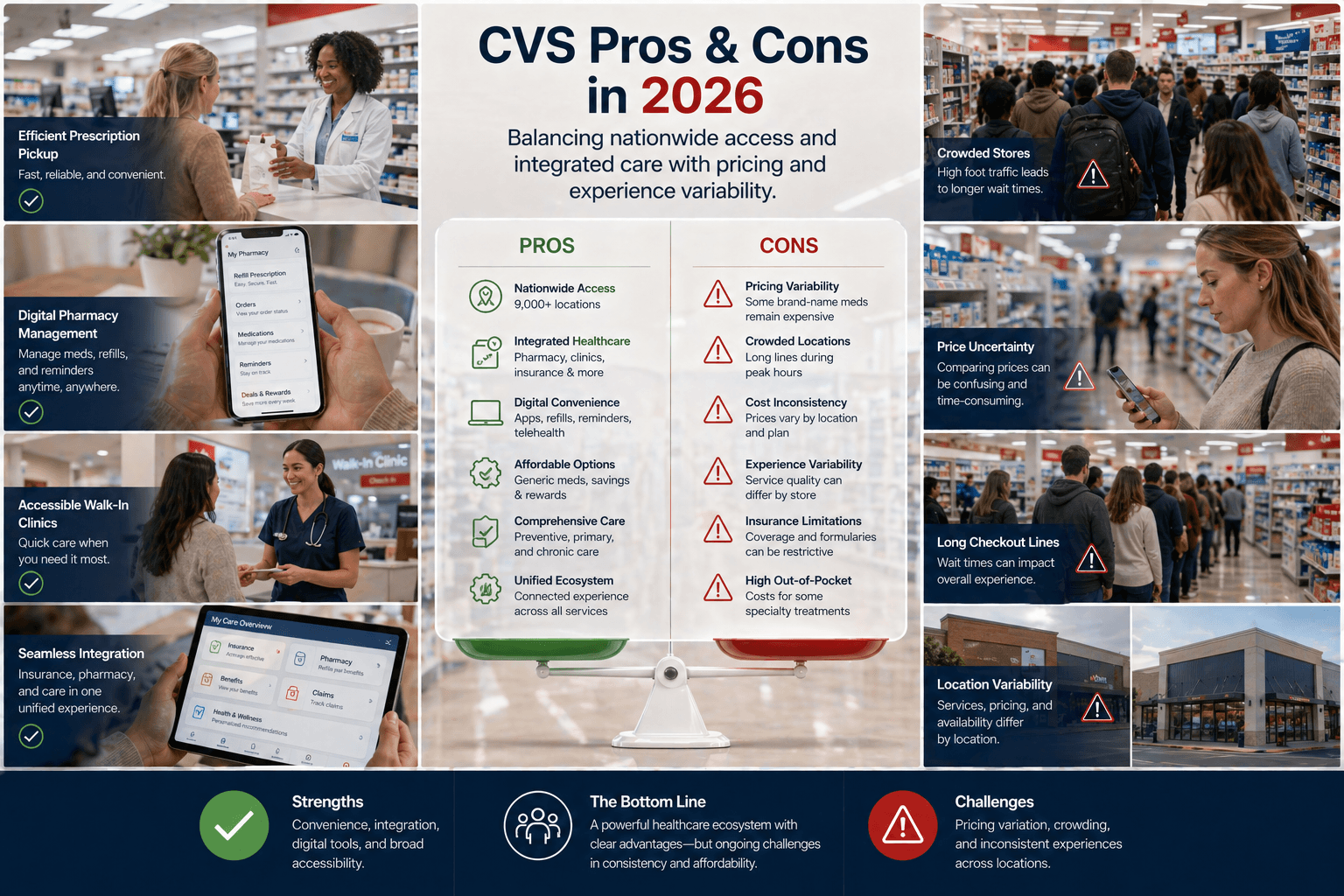
Pros
- Massive nationwide access
- Integrated healthcare ecosystem
- Strong digital tools & app
- Walk-in clinics for quick care
- Insurance + pharmacy under one brand
Cons
- Pricing can vary widely without insurance
- Stores can feel crowded/retail-heavy
- Not always the cheapest option for prescriptions
- Customer experience varies by location
CVS vs Competitors (Quick Comparison)
| Feature | CVS | Walgreens | Walmart Pharmacy |
| Clinics | Yes (MinuteClinic) | Limited | No |
| Insurance integration | Yes | No | No |
| Pricing transparency | Improving | Moderate | Often cheaper |
| Convenience | Very high | High | Moderate |
| Digital tools | Advanced | Good | Basic |
Who CVS Is Best For
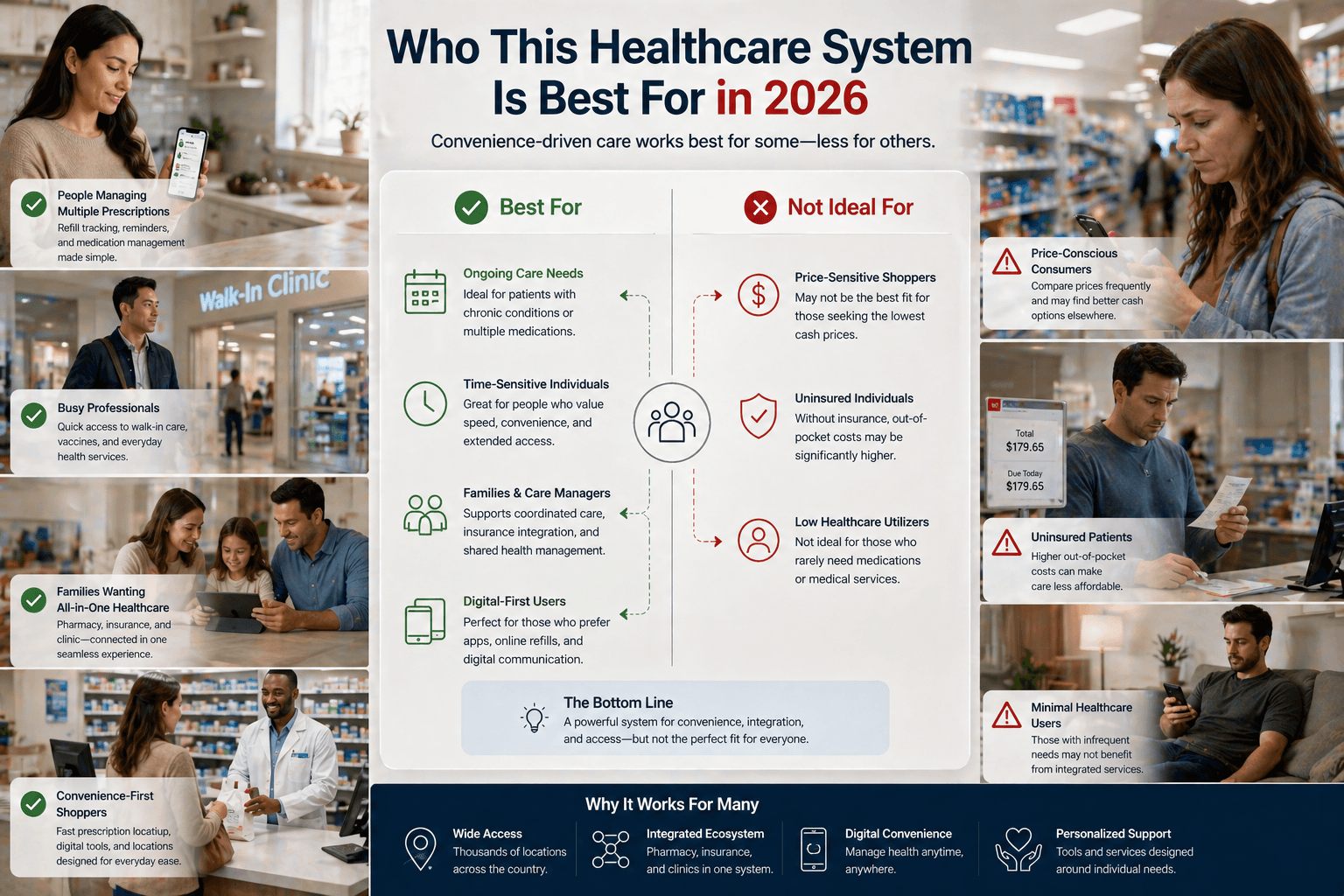
Best for:
- People managing multiple prescriptions
- Those who want all-in-one healthcare
- Busy individuals needing quick clinic access
- Users who value convenience over lowest price
Not ideal for:
- People seeking the absolute cheapest prescriptions
- Those without insurance (costs can be higher)
- Minimal healthcare users
Real User Experience (What It Feels Like)
Using CVS in 2026 feels like:
- A hybrid between Amazon + doctor’s office + pharmacy
- Fast for routine needs
- Slightly overwhelming for new users
- Extremely useful if you stay within their ecosystem
Final Verdict: Is CVS Worth It in 2026?
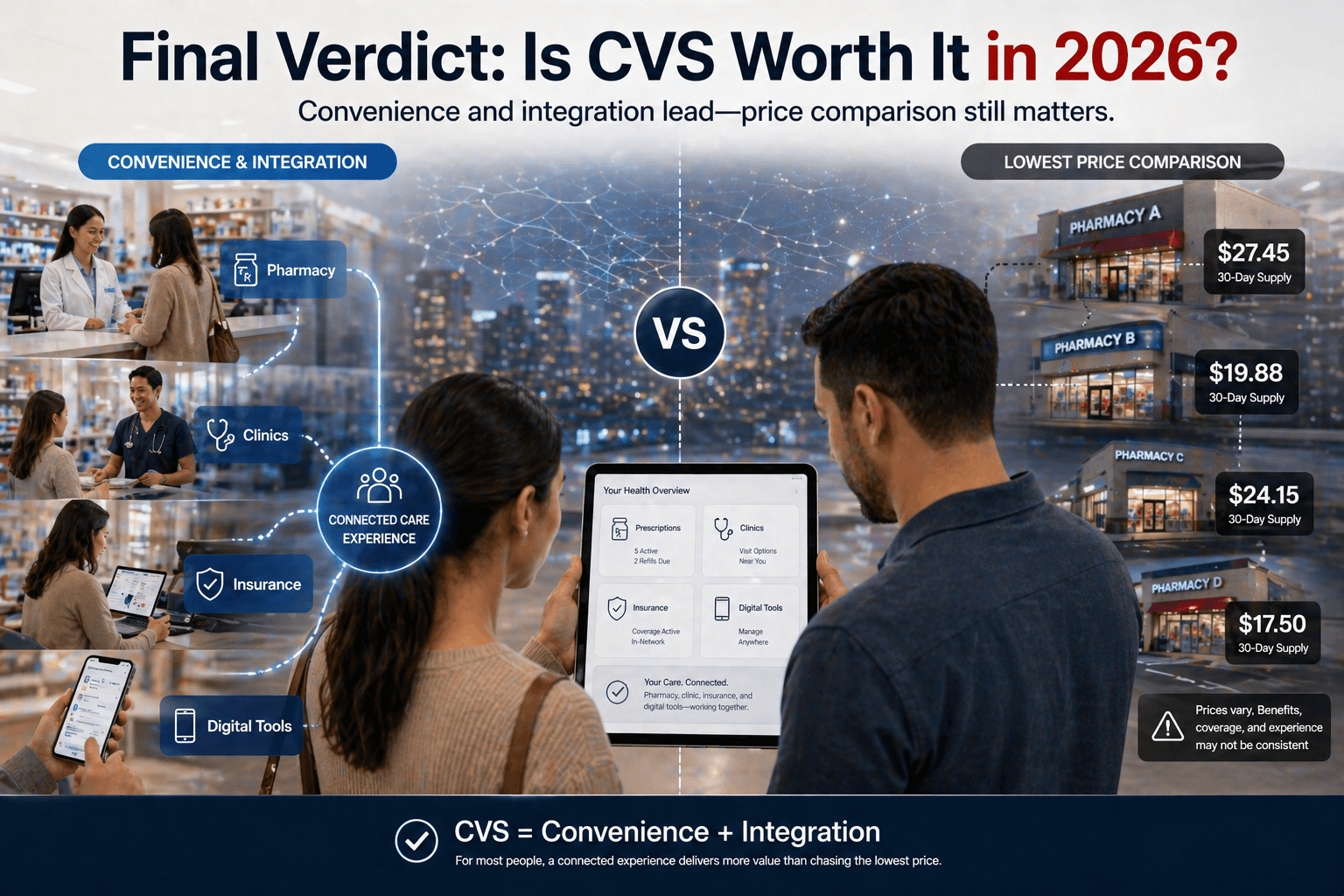
Short answer: Yes — if you value convenience and integrated care.
CVS Health stands out because it’s no longer just a pharmacy — it’s a connected healthcare platform that combines:
- Prescriptions
- Clinics
- Insurance
- Digital tools
If you want simplicity, accessibility, and one ecosystem, CVS is one of the best options available.
However, if your priority is lowest price only, it’s worth comparing alternatives.
Bottom Line
- CVS = Convenience + Integration
- Best for ongoing healthcare management
- Not always the cheapest — but often the easiest