


If you’re considering pet insurance in 2026, Healthy Paws Pet Insurance is one of the most talked-about providers — known for unlimited payouts, fast claims, and simple coverage.
But is it actually worth it?
In this complete guide, we break down pricing, coverage, pros and cons, real value, and who it’s best for so you can decide confidently.
What Is Healthy Paws Pet Insurance?

Healthy Paws Pet Insurance is a U.S.-based pet insurance provider offering accident and illness coverage for dogs and cats with a strong reputation for simplicity and high reimbursement rates.
Unlike many competitors, it focuses on:
- Unlimited lifetime payouts
- Fast claim processing
- Straightforward coverage (no confusing tiers)
It’s underwritten by Chubb, a globally recognized insurer.
Healthy Paws Coverage (What’s Included)
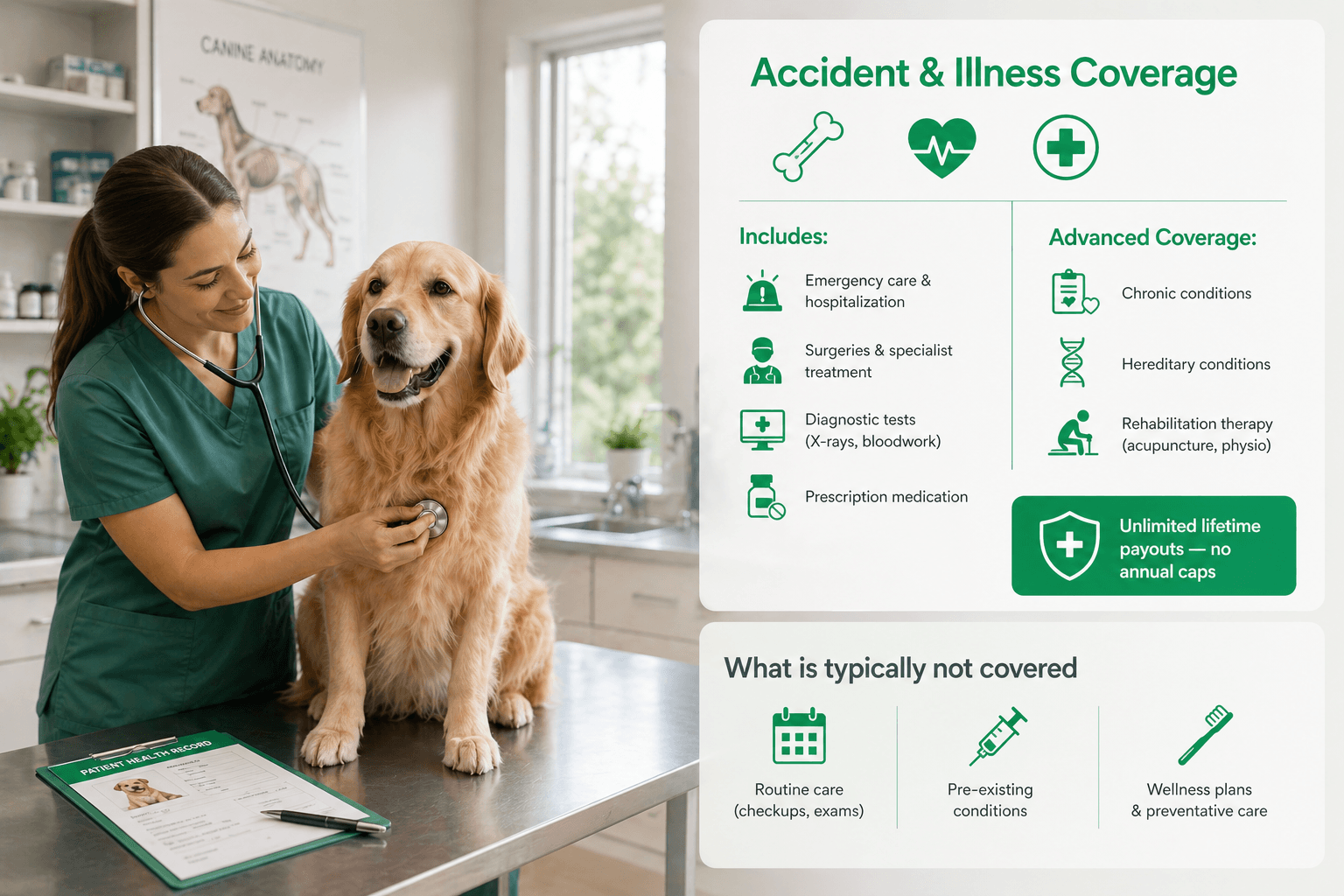
Healthy Paws offers comprehensive accident and illness coverage, including:
Core Coverage
- Accidents (broken bones, injuries, swallowed objects)
- Illnesses (cancer, infections, diabetes)
- Emergency care and hospitalization
- Surgeries and specialist care
- Diagnostic tests (X-rays, MRIs, bloodwork)
- Prescription medications
Advanced Coverage
- Chronic conditions (allergies, arthritis)
- Hereditary and breed-specific conditions
- Alternative treatments (acupuncture, rehab therapy)
Key Highlight
- Unlimited payouts (no annual or lifetime caps)
This is one of the biggest advantages compared to insurers that limit annual claims.
What’s NOT Covered
Like most pet insurers, Healthy Paws excludes:
- Pre-existing conditions
- Routine care (vaccines, checkups)
- Dental cleanings (non-accident)
- Preventative care plans
Important note: There is no wellness add-on, which some competitors offer.
Pricing: How Much Does Healthy Paws Cost in 2026?

Pricing varies based on:
- Pet age
- Breed
- Location
- Deductible and reimbursement level
Average Monthly Cost
- Dogs: approximately $60/month
- Cats: approximately $28–$32/month
Typical Pricing Range
- Young pets: $15–$40/month
- Average adult pets: $40–$80/month
- Older or larger breeds: $90+/month
Customization Options
You can adjust:
- Deductible: $100 – $1,000
- Reimbursement: 50% – 90%
Higher deductible means lower monthly premium.
Higher reimbursement means higher monthly cost.
How Claims Work (Simple and Fast)

Healthy Paws keeps claims very straightforward:
- Visit any licensed vet
- Pay the bill upfront
- Submit claim via app
- Get reimbursed
Example
- Vet bill: $1,200
- 90% reimbursement
- $100 deductible
You receive approximately $980 back.
Processing Speed
Most claims are processed within about 2 days.
Pros and Cons

Pros
- Unlimited payouts with no caps
- Up to 90% reimbursement
- Fast claims processing
- Covers chronic and hereditary conditions
- No network restrictions (any licensed vet)
Cons
- No wellness or preventative coverage
- No multi-pet discount
- Premiums can increase over time
- Must pay vet upfront
Real Customer Feedback (What People Say)
Many users highlight:
- Fast reimbursements
- High claim payouts
- Peace of mind during emergencies
Some concerns include:
- Premium increases as pets age
Who Should Choose Healthy Paws?

Best For
- Pet owners who want maximum protection
- People concerned about expensive emergencies
- Owners of breeds prone to health issues
- Those who value fast claims and simplicity
Not Ideal For
- Budget-focused shoppers
- Those wanting routine care coverage
- Multi-pet households seeking discounts
Is Healthy Paws Worth It in 2026?

Final Verdict: Yes, for most pet owners it is worth it
Healthy Paws stands out because of:
- Unlimited payouts
- High reimbursement rates
- Fast, hassle-free claims
If your pet faces a major medical issue, this can save you thousands in veterinary bills.
However, it is best suited for people who:
- Can handle upfront payments
- Want protection from major, unexpected costs rather than routine care