
If you’re searching for high-quality, ethically sourced pet food, Open Farm has likely shown up everywhere — from review sites to social media recommendations.
But here’s the real question:
Is Open Farm actually worth the premium price in 2026 — or are you just paying for branding?
This guide breaks down everything you need to know: ingredients, sourcing, pricing, real-world results, and whether it truly delivers better nutrition for your pet.
What Is Open Farm — And Why Everyone’s Talking About It?
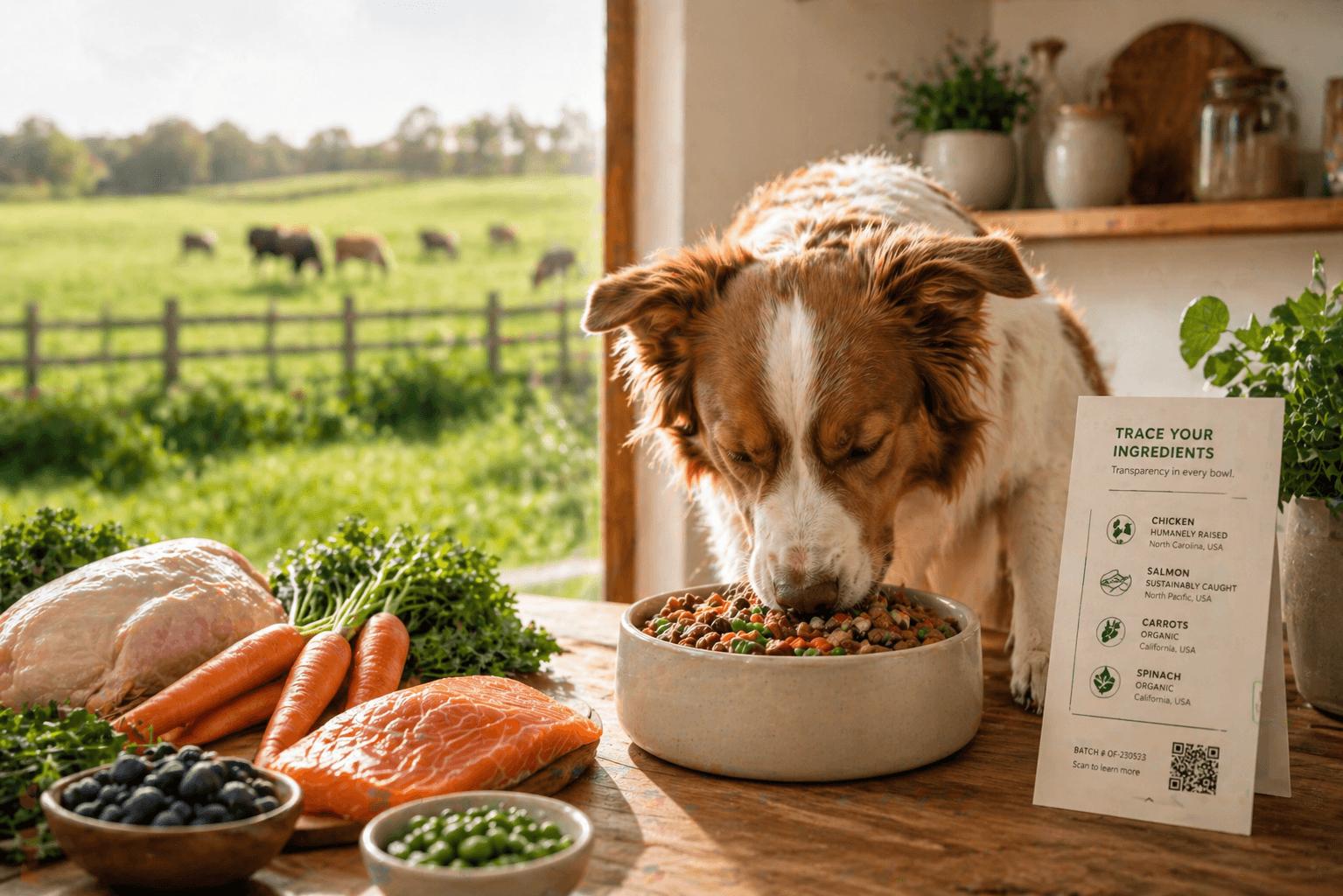
Open Farm is a premium pet food company built around three core ideas:
- Better ingredients
- Ethical sourcing
- Radical transparency
Unlike traditional pet food brands, Open Farm focuses on:
- Humanely raised meats (no antibiotics or added hormones)
- Non-GMO fruits and vegetables
- Sustainably sourced fish
- Full ingredient traceability
Their mission is simple: create pet food that’s better for your animal — and better for the planet.
What You Can Actually Buy From Open Farm (Full Product Breakdown)
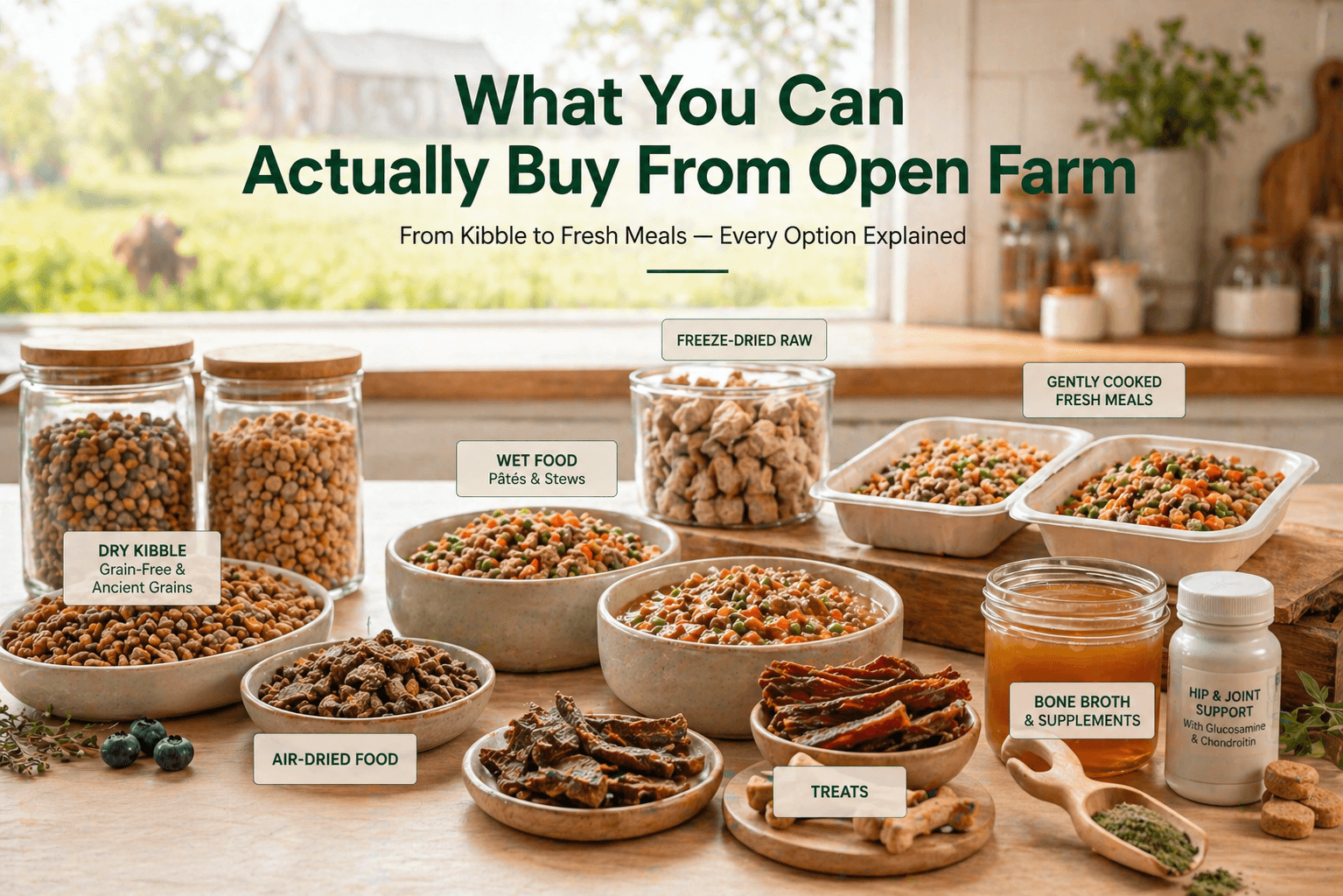
From Kibble to Fresh Meals: Every Option Explained
One of Open Farm’s biggest strengths is its wide product range, designed to fit different feeding styles and budgets.
Core product categories include:
- Dry Kibble (Grain-Free & Ancient Grains)
- Wet Food (Pâtés & Stews)
- Freeze-Dried Raw
- Gently Cooked Fresh Meals
- Air-Dried Food
- Bone Broth & Supplements
- Treats
Whether you prefer traditional kibble or fresh, lightly cooked meals, Open Farm covers nearly every feeding approach.
Inside the Ingredients: Is Open Farm Really That High Quality?
Real Meat First — Not Fillers
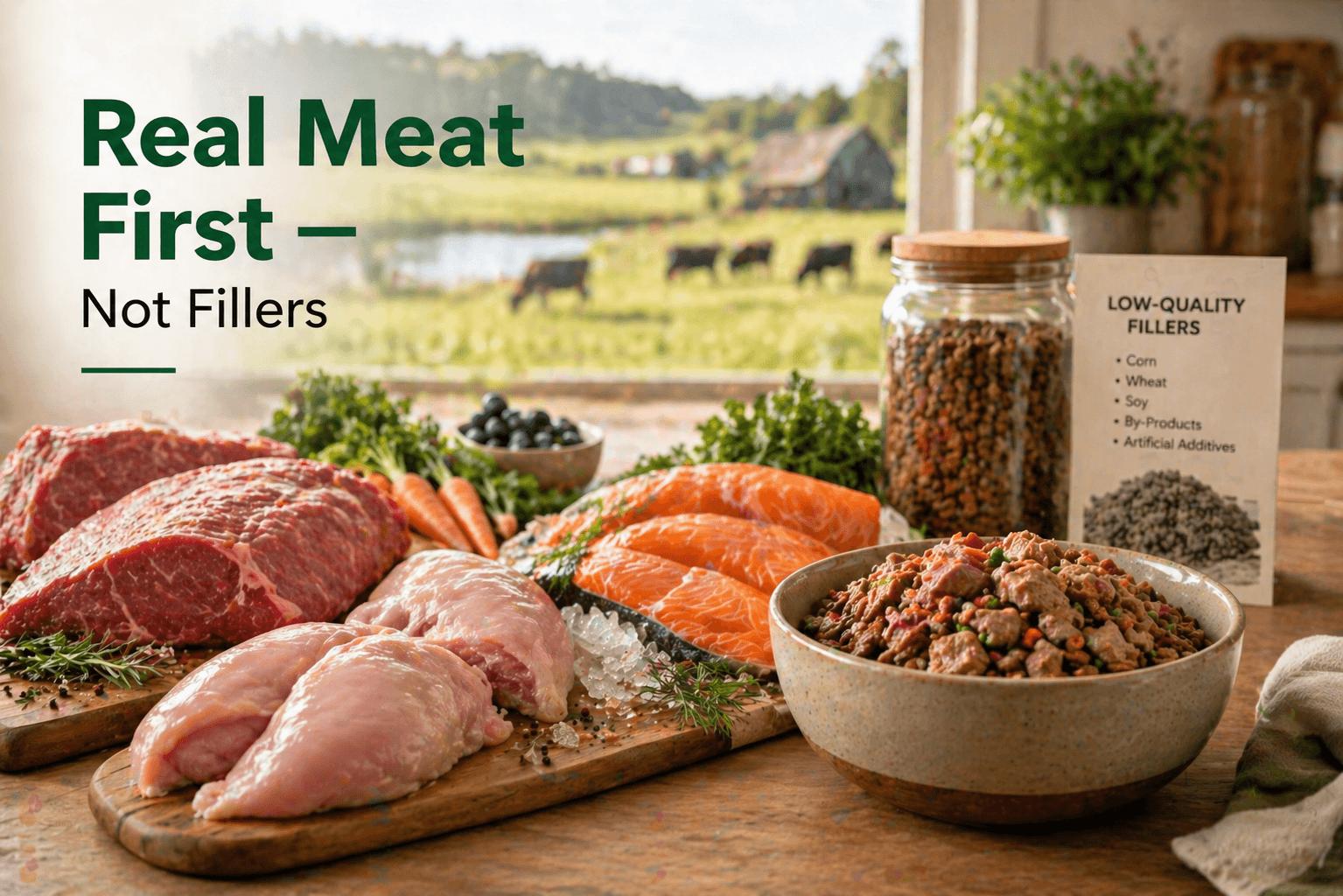
Open Farm recipes typically start with real, traceable animal protein, such as:
- Grass-fed beef
- Free-range chicken
- Wild-caught fish
This is a major upgrade from lower-tier brands that rely on by-products or fillers.
Built for Nutrition, Not Just Marketing
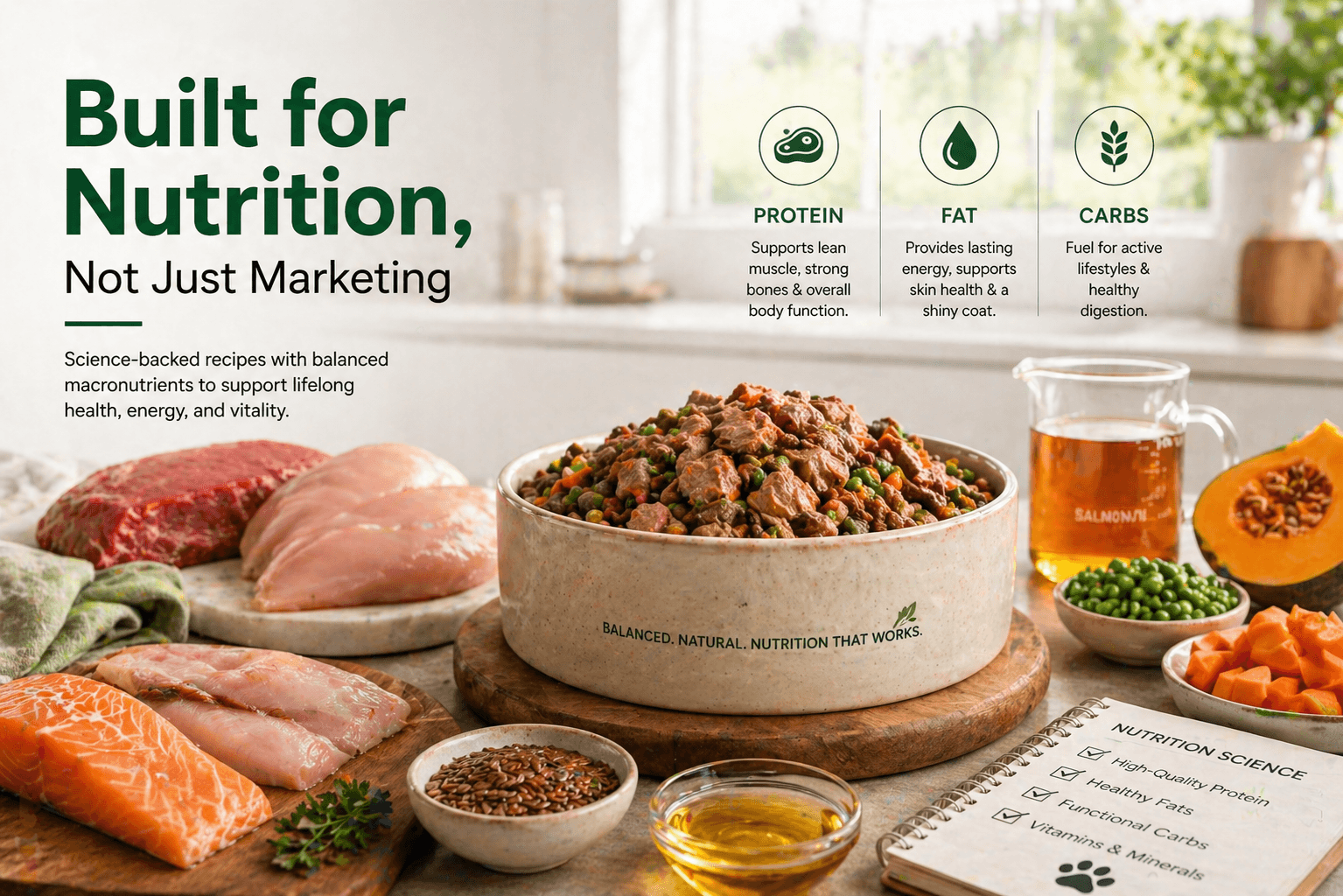
Most formulas are:
- High in protein (often 30%+)
- Balanced in healthy fats
- Lower in unnecessary carbohydrates
This supports:
- Lean muscle development
- Sustained energy
- Overall health
The “Extras” That Actually Make a Difference
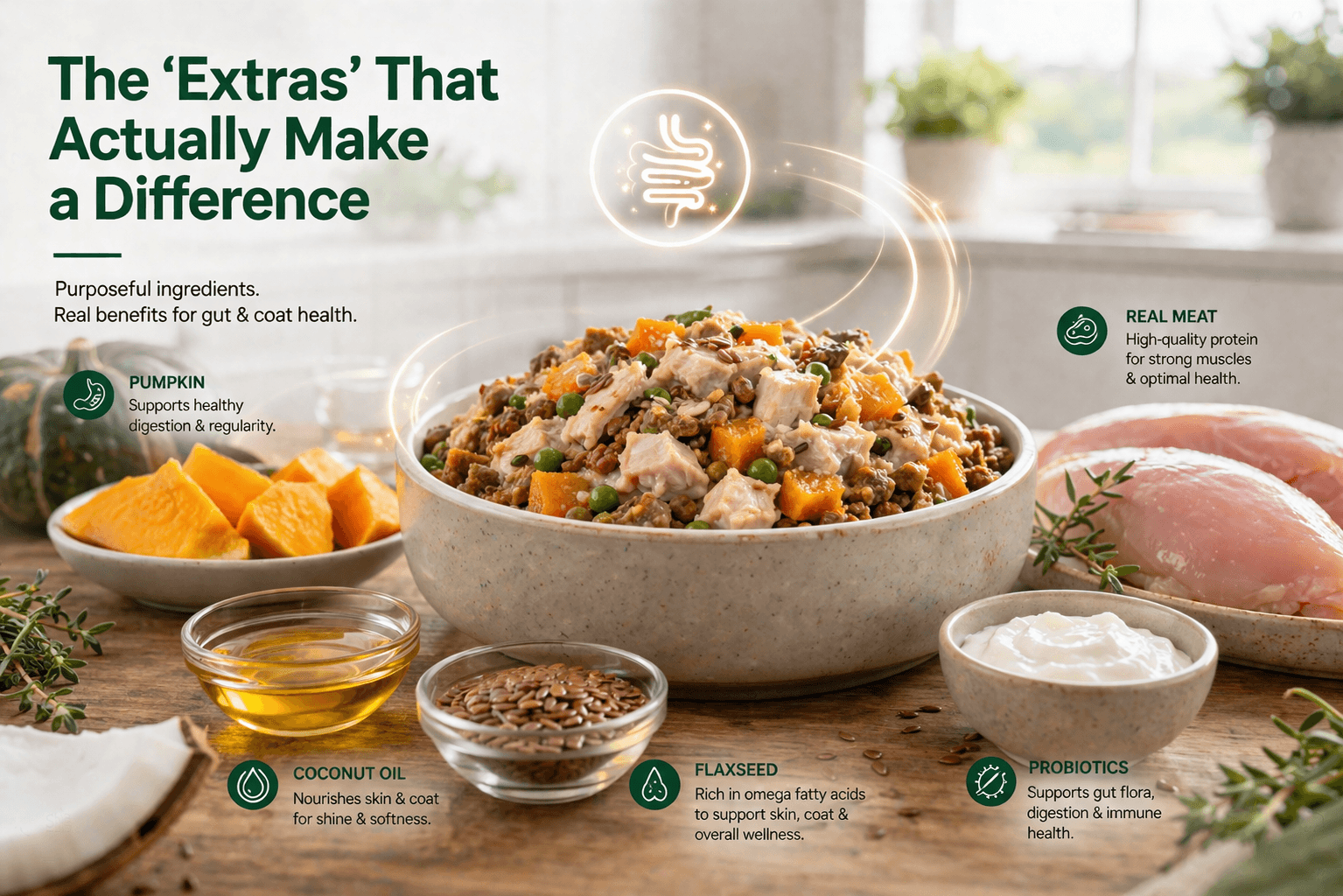
Open Farm includes functional ingredients like:
- Pumpkin (digestion support)
- Coconut oil (skin & coat health)
- Flaxseed (omega fatty acids)
- Prebiotics & probiotics (gut health)
These aren’t just marketing add-ons — they play a real role in pet wellness.
What You Won’t Find in Open Farm Food
Equally important is what’s excluded:
- No corn
- No wheat
- No soy
- No artificial preservatives
This makes Open Farm especially appealing for pets with sensitivities or allergies.
The Big Differentiator: Full Ingredient Transparency (Most Brands Don’t Do This)
Here’s where Open Farm truly stands out.
Every product includes a lot code you can trace online, allowing you to see:
- Where each ingredient comes from
- Which farm or fishery supplied it
- How it was sourced
This level of transparency is rare in the pet food industry and a major reason the brand has built strong trust.
Real Results: What Actually Happens When Pets Switch to Open Farm?
Based on user feedback and product reviews, many pet owners report:
- Improved digestion
- Shinier coats
- Higher energy levels
- Better appetite and palatability
While results vary by pet, Open Farm consistently performs well among premium pet food brands.
Pros & Cons: The Honest Breakdown Most Reviews Skip
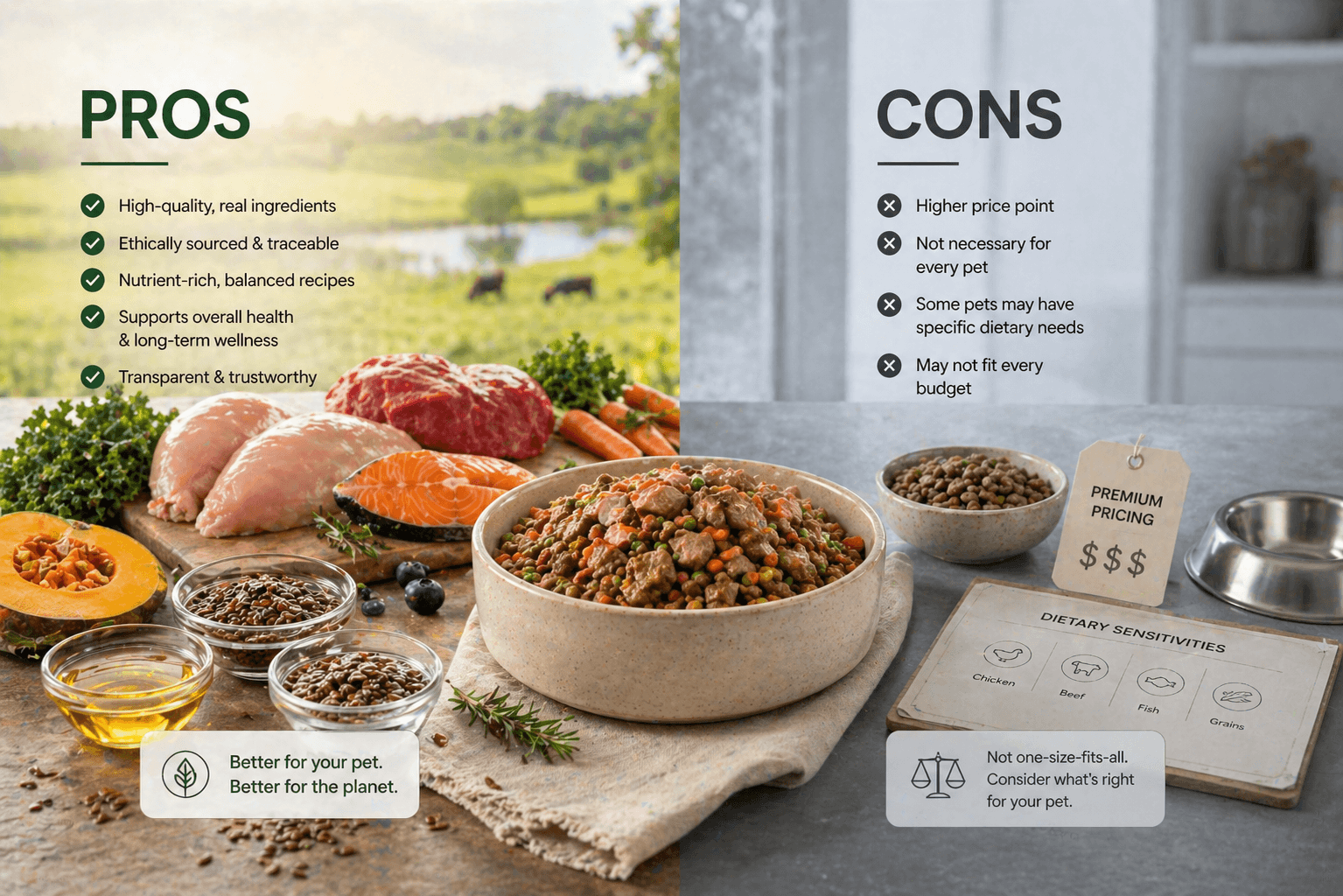
What Open Farm Gets Right
- High-quality, ethically sourced ingredients
- Full ingredient traceability
- Strong nutritional profiles
- Wide product variety (kibble to fresh)
- Sustainability-focused brand mission
Where It Falls Short
- Higher price point than standard brands
- Not necessary for every pet
- Some formulas may not suit all dietary needs
Pricing in 2026: Is Open Farm Overpriced or Fair Value?
Open Farm sits firmly in the premium pricing tier.
Typical ranges:
- Dry food: $25–$90 per bag
- Wet food: $3–$6 per serving
- Freeze-dried/raw: premium pricing
So what are you actually paying for?
- Higher-quality ingredients
- Ethical sourcing practices
- Supply chain transparency
Compared to budget brands, it’s expensive — but compared to other premium pet foods, pricing is competitive.
Who Should Actually Buy Open Farm (And Who Should Skip It)
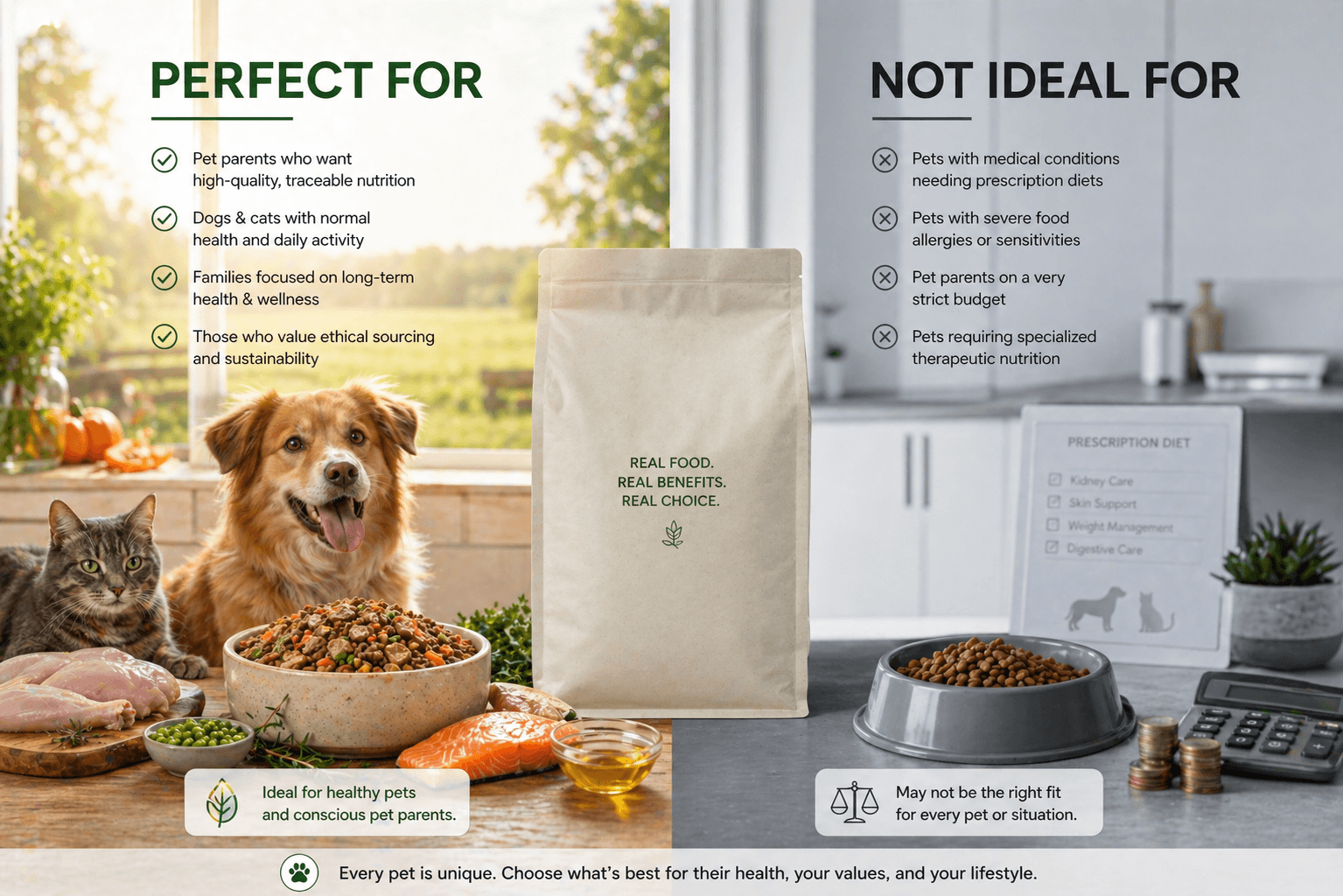
Perfect For
- Pet owners who prioritize ingredient quality
- Dogs or cats with sensitive digestion
- Buyers who care about ethical sourcing and sustainability
- Those willing to invest in premium nutrition
Not Ideal For
- Budget-conscious households
- Pets needing strict veterinary prescription diets
- Owners who don’t value sourcing transparency
Final Verdict (2026): Is Open Farm Actually Worth the Price?
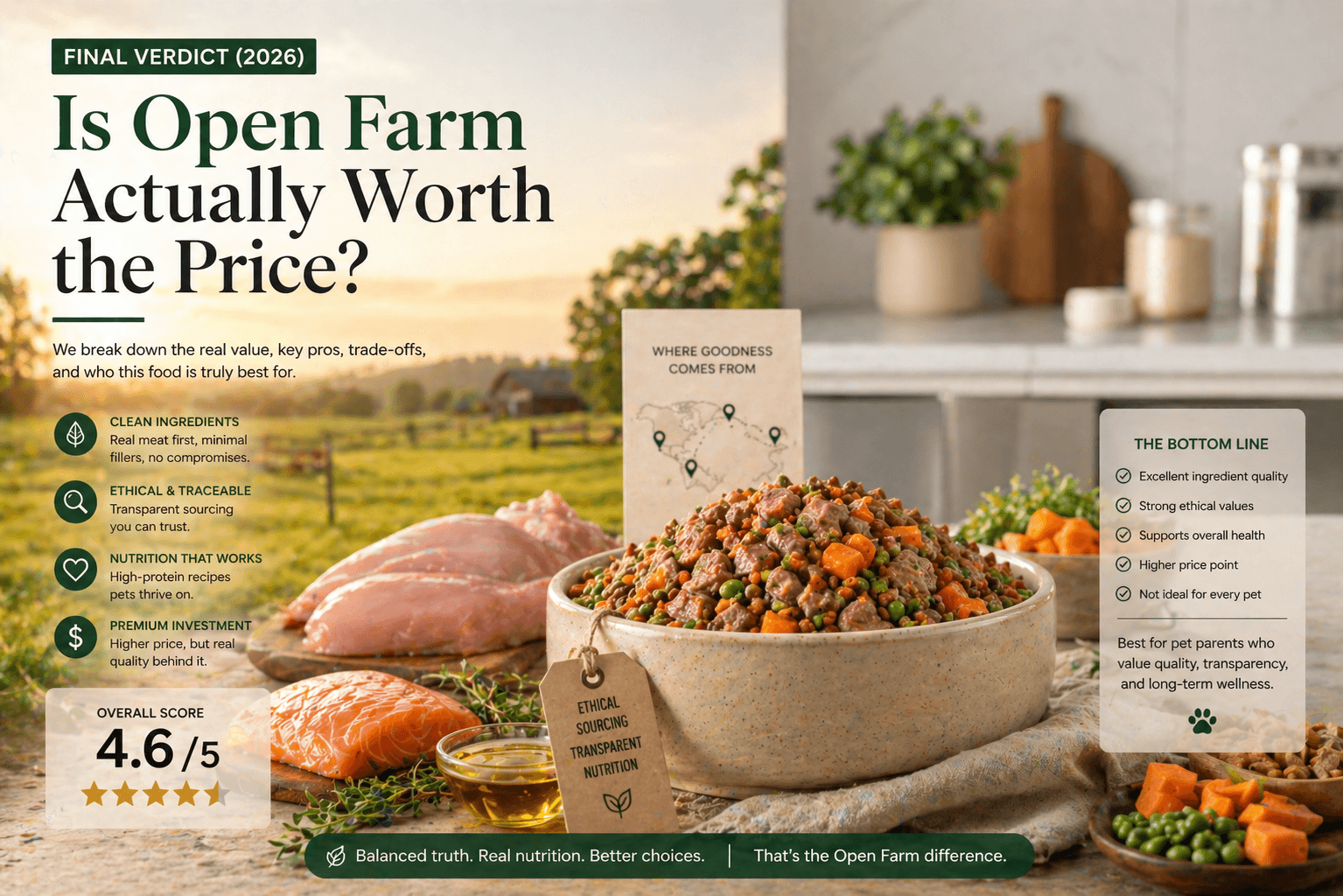
Yes — for the right type of pet owner.
Open Farm delivers on what it promises:
- Clean, high-quality ingredients
- Ethical and sustainable sourcing
- Industry-leading transparency
It’s not the cheapest option.
It’s not the most basic option.
But it is one of the most trustworthy premium pet food brands available in 2026.
Bottom line:
- Want top-tier quality + transparency? → Worth it
- Just need affordable nutrition? → Better alternatives exist