
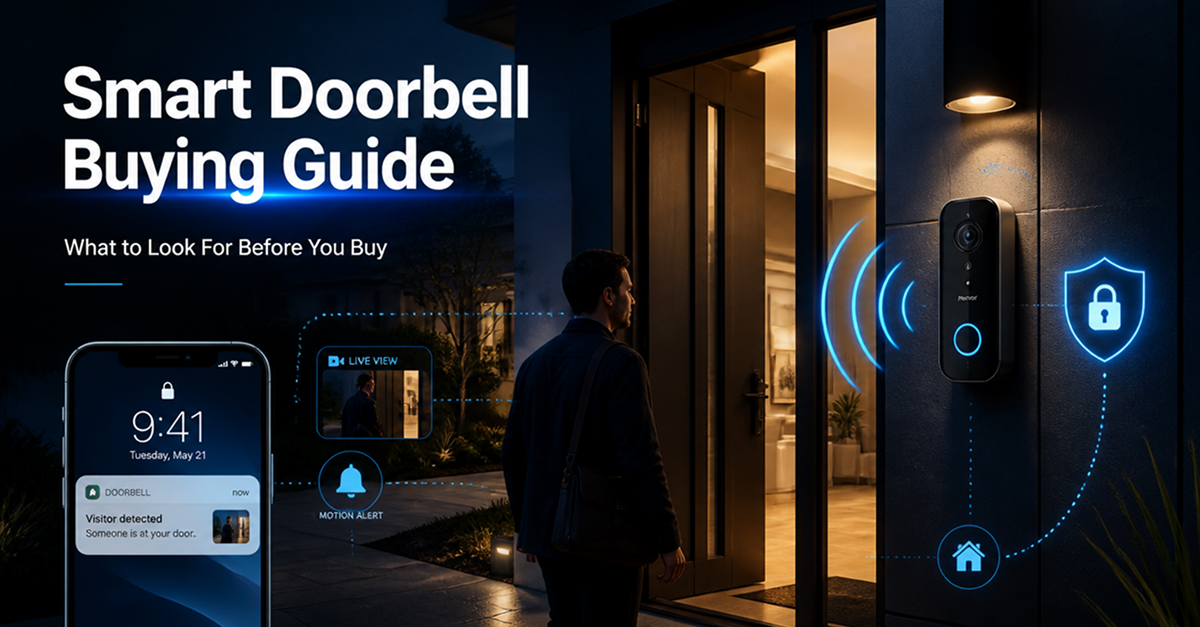
Smart doorbells have become one of the most popular home security upgrades in recent years. They allow homeowners to see visitors, receive alerts, communicate remotely, and monitor activity around entryways using a smartphone or connected device.
However, not all smart doorbells offer the same features. Video quality, storage options, installation requirements, and smart home compatibility can vary significantly between models. Understanding these differences can help you choose a smart doorbell that meets your security needs and fits your home setup.
https://www.amazon.com/smart-doorbell/s?k=smart+doorbell
Why Consider a Smart Doorbell?
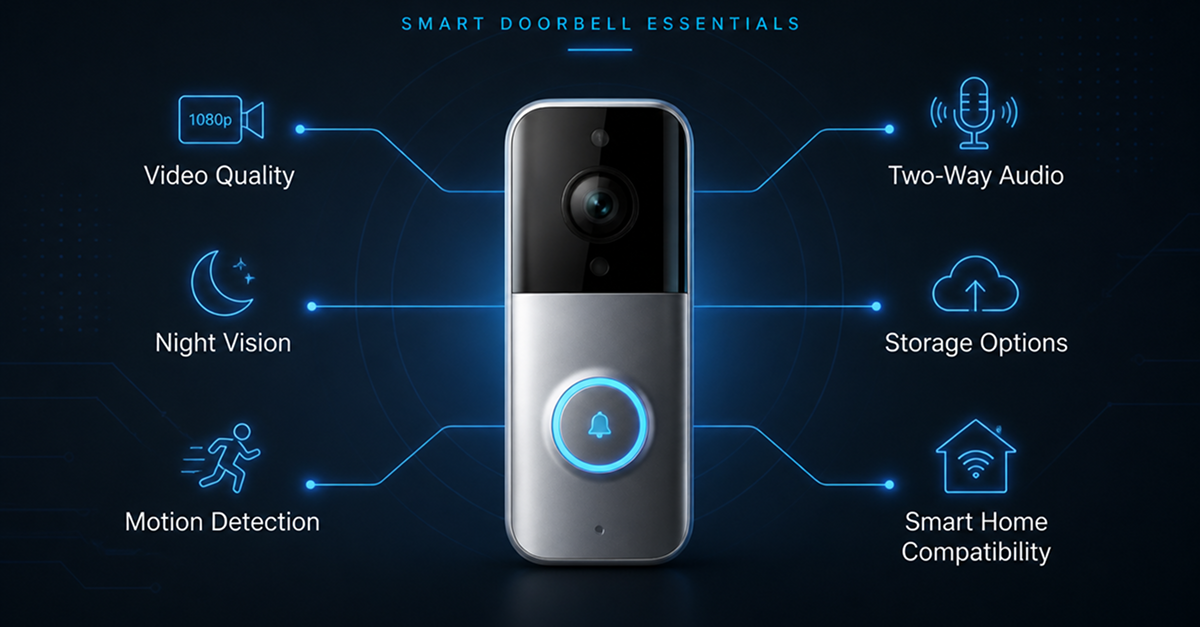
Traditional doorbells simply notify you when someone is at the door. Smart doorbells provide additional functionality by combining video cameras, motion detection, wireless connectivity, and mobile notifications.
Benefits may include:
- Real-time visitor alerts
- Remote viewing capabilities
- Two-way communication
- Package monitoring
- Motion detection notifications
- Activity history
For many homeowners, these features add convenience as well as an extra layer of awareness around the home.
Video Quality
Video quality is one of the most important factors to evaluate.
A clearer image can make it easier to identify visitors, monitor deliveries, and review recorded footage.
When comparing smart doorbells, consider:
- Resolution
- Image clarity
- Low-light performance
- Field of view
Higher resolution often provides more detail, but overall camera quality is equally important.
Motion Detection
Most smart doorbells include motion detection capabilities.
Advanced systems allow users to customize detection zones and notification settings to reduce unnecessary alerts.
This feature can be especially useful for monitoring:
- Front porches
- Driveways
- Walkways
- Package delivery areas
Effective motion detection can improve both convenience and security.
Two-Way Audio
Two-way audio allows users to communicate with visitors through a smartphone app.
This feature can be useful for:
- Speaking with delivery drivers
- Greeting guests
- Managing unexpected visitors
- Monitoring activity while away from home
Clear audio quality often contributes significantly to the overall user experience.
Wired vs Battery-Powered Models
Smart doorbells generally fall into two installation categories.
Wired Doorbells
Wired models connect to an existing doorbell system and receive continuous power.
Advantages include:
- No battery charging
- Continuous operation
- Consistent performance
Battery-Powered Doorbells
Battery-powered models offer greater installation flexibility and may be easier to install in homes without existing doorbell wiring.
Advantages include:
- Easier installation
- Flexible placement
- Suitable for renters and older homes
The best option depends on your property’s existing setup.
Cloud Storage vs Local Storage
Many smart doorbells record footage for later review.
Storage methods typically include:
Cloud Storage
Cloud-based systems store recordings online and often require a subscription.
Benefits may include:
- Remote access
- Automatic backups
- Easy footage management
Local Storage
Some models support memory cards or local storage devices.
Benefits may include:
- No recurring subscription fees
- Greater control over recordings
- Local access to footage
Buyers should consider long-term costs when comparing storage options.
Smart Home Compatibility
If you already use smart home devices, compatibility can be an important consideration.
Some smart doorbells integrate with:
- Amazon Alexa
- Google Home
- Apple HomeKit
- Smart displays
- Home automation systems
Choosing a doorbell that works with your existing ecosystem can simplify management and improve convenience.
Weather Resistance
Since smart doorbells are installed outdoors, weather resistance is essential.
Look for products designed to withstand:
- Rain
- Heat
- Cold temperatures
- Dust exposure
A durable design can contribute to long-term reliability.
Privacy and Security
Smart home devices collect and transmit data, making privacy an important consideration.
Before purchasing a smart doorbell, review:
- Security features
- Data protection policies
- Account security options
- Available privacy controls
Features such as two-factor authentication can provide additional protection.
Common Buying Mistakes
Focusing Only on Video Resolution
Resolution matters, but image quality, night vision performance, and field of view are equally important.
Ignoring Subscription Costs
Some doorbells require ongoing subscription fees for recording and storage features.
Overlooking Smart Home Compatibility
A doorbell that integrates with your existing devices may offer a smoother experience.
Choosing Features You Won’t Use
Not every household needs advanced monitoring features. Focus on features that match your specific requirements.
Final Thoughts
A smart doorbell can provide convenience, awareness, and additional security for homeowners and renters alike. The right model depends on factors such as installation preferences, storage options, video quality, and smart home compatibility.
Rather than focusing on a single specification, consider how the doorbell will fit into your daily routine and existing home setup. A well-chosen smart doorbell can become a valuable part of a modern connected home while helping you stay informed about activity at your front door.