

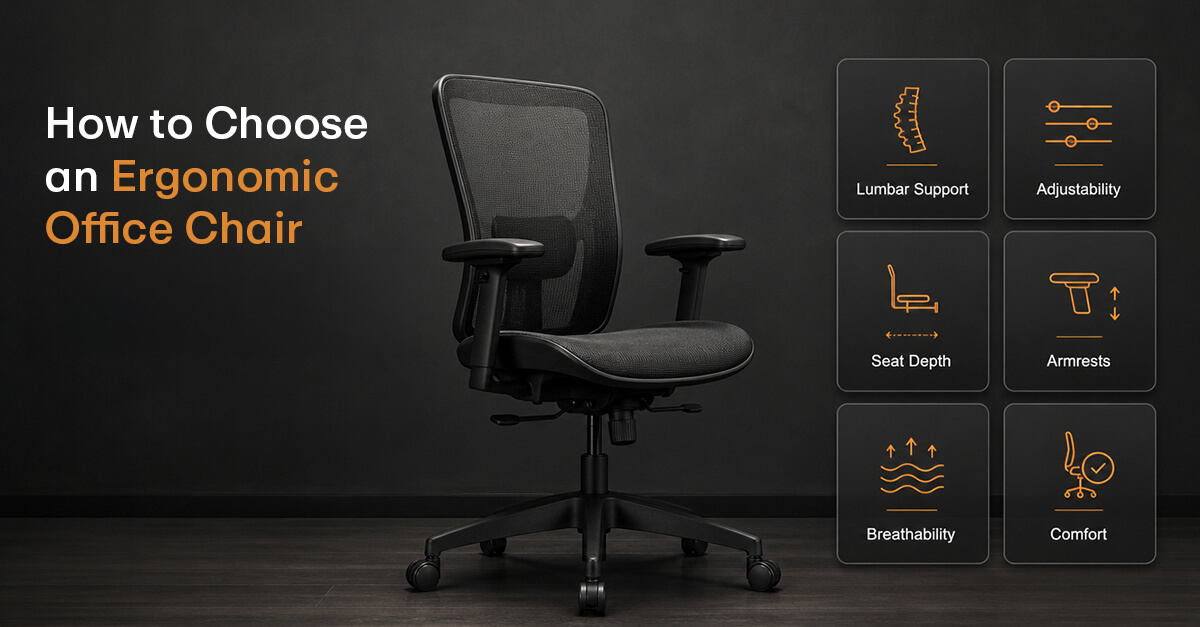
If you spend several hours a day sitting at a desk, your office chair can have a significant impact on comfort, productivity, and overall well-being. An ergonomic office chair is designed to support the body’s natural posture and reduce strain during extended periods of sitting.
However, not all office chairs marketed as “ergonomic” offer the same level of support. Understanding the features that matter most can help you make a more informed purchasing decision and avoid investing in a chair that may not meet your needs.
https://www.amazon.com/ergonomic-office-chair/s?k=ergonomic+office+chair
Why Ergonomics Matter
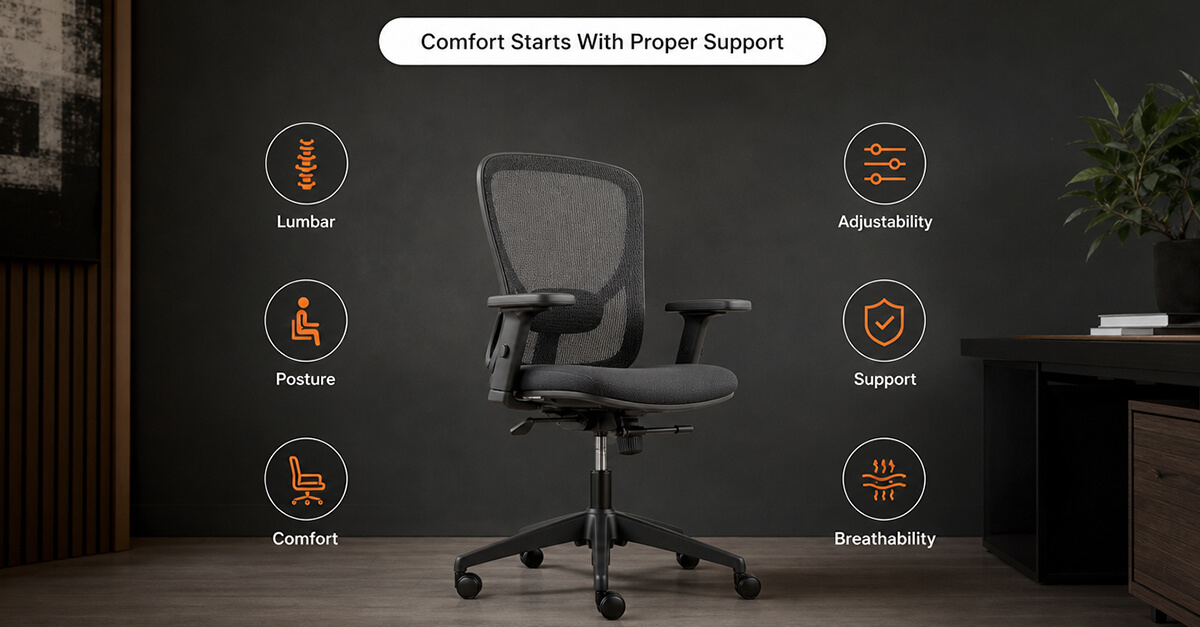
Sitting for long periods in an unsupportive chair can contribute to:
- Back discomfort
- Neck strain
- Shoulder tension
- Poor posture
- Reduced productivity
An ergonomic chair aims to improve comfort by supporting proper sitting posture and allowing users to adjust the chair to their individual preferences.
The goal is not simply comfort, but creating a workstation that supports long-term daily use.
Adjustable Seat Height
Seat height is one of the most important ergonomic features.
When seated:
- Feet should rest flat on the floor.
- Knees should remain at approximately a 90-degree angle.
- Thighs should be parallel to the ground.
Most quality ergonomic chairs include adjustable height mechanisms that allow users to find a comfortable seating position.
Because body sizes vary significantly, height adjustability should be considered essential rather than optional.
Lumbar Support
The lower back naturally curves inward. Proper lumbar support helps maintain this natural curve while sitting.
Without adequate support, users may begin to slouch, which can increase strain on the lower back over time.
Many ergonomic chairs offer:
- Built-in lumbar support
- Adjustable lumbar positioning
- Dynamic support systems
Lumbar support is often one of the first features users notice during extended use.
Seat Depth and Width
Seat dimensions affect both comfort and posture.
A seat that is too deep may place pressure behind the knees, while a seat that is too shallow may fail to provide adequate leg support.
Ideally:
- There should be a small gap between the edge of the seat and the back of the knees.
- The seat should comfortably accommodate your body without feeling restrictive.
Adjustable seat depth can be particularly valuable for users of different heights.
Backrest Design
The backrest should support the natural shape of the spine.
Features worth considering include:
- Reclining capability
- Adjustable tilt tension
- Full back support
- Proper lumbar integration
Some users prefer upright support for focused work, while others benefit from occasional reclining throughout the day.
A flexible backrest allows users to vary their posture rather than remaining in a single position for hours.
Armrests
Armrests help support the shoulders and reduce strain on the upper body.
Ideally, armrests should allow:
- Relaxed shoulders
- Bent elbows at approximately 90 degrees
- Comfortable positioning near the desk surface
Adjustable armrests provide greater flexibility and can help accommodate different body types and desk setups.
Headrest Considerations
Not every user requires a headrest, but it can provide additional support in certain situations.
Headrests may be particularly useful for:
- Tall users
- Frequent recliners
- Individuals who spend extended hours at their desks
For highly task-focused work, a headrest may be less important than lumbar support and overall adjustability.
Material and Breathability
Office chairs are available in a variety of materials, including:
- Mesh
- Fabric
- Leather
- Synthetic upholstery
Mesh chairs are particularly popular because they promote airflow and help reduce heat buildup during long work sessions.
The best material depends on personal preference, climate, and intended use.
Mobility and Stability
Most ergonomic office chairs include rolling casters and swivel functionality.
These features improve mobility and reduce the need for awkward reaching or twisting movements.
A stable base and smooth movement contribute to both comfort and convenience during daily use.
Adjustability Is Key
One of the most important characteristics of a quality ergonomic chair is adjustability.
Features that may be adjustable include:
- Seat height
- Lumbar support
- Armrests
- Recline angle
- Seat depth
- Headrest position
The more effectively a chair can adapt to the user, the more likely it is to provide long-term comfort.
Common Buying Mistakes
Prioritizing Appearance Over Support
A chair may look attractive but still fail to provide adequate ergonomic support.
Ignoring Adjustability
Fixed-position chairs may not accommodate different body types or work styles.
Choosing Based Solely on Price
An expensive chair is not automatically the best option. Comfort, support, and adjustability are often more important than brand recognition alone.
Overlooking Daily Usage
The ideal chair for occasional use may not be suitable for someone who spends eight or more hours at a desk each day.
Final Thoughts
Choosing an ergonomic office chair involves more than selecting a design that looks appealing. Features such as lumbar support, adjustability, seat dimensions, and overall comfort play a major role in the long-term user experience.
The best chair is one that fits your body, supports healthy posture, and remains comfortable throughout your daily routine. By focusing on ergonomics rather than marketing claims alone, you can make a more informed decision and create a workspace that better supports both productivity and comfort.