

Child protection is about more than baby gates and outlet covers. It’s about preparing for the emergencies parents hope never happen but must be ready for. Among those emergencies, choking remains one of the most frightening and time-sensitive risks in early childhood. For parents, understanding choking hazards, knowing how to respond, and having the right tools available can make a critical difference.
This guide explains why choking prevention is central to child healthcare, what parents should know about risks at different ages, how to respond during an emergency, and how modern safety tools—like LifeVac—fit into a comprehensive child protection plan.
Why Child Protection Starts With Choking Awareness
Choking is a leading cause of injury and accidental death in young children worldwide. Infants and toddlers explore the world with their mouths, lack fully developed chewing skills, and have narrow airways—all factors that increase risk. Everyday items like grapes, hot dogs, coins, small toys, and even pieces of bedding can become hazards in seconds.
From a child healthcare perspective, choking is uniquely dangerous because it escalates quickly. Oxygen deprivation can occur within minutes, and panic often sets in before help arrives. That’s why prevention and preparedness matter so much. Parents don’t just need to know what to do; they need solutions that are practical under stress.
Understanding Choking Risks at Different Ages
Infants (0–12 months)
Infants are at the highest risk due to undeveloped swallowing coordination and limited head control. Milk aspiration, soft foods, and small household items pose significant dangers. Even during supervised feeding, choking can occur unexpectedly.
Toddlers (1–3 years)
Toddlers are mobile and curious. They’re more likely to access unsafe objects and experiment with foods they can’t properly chew. Nuts, popcorn, and raw vegetables are common choking hazards in this age group.
Young Children (4–6 years)
While chewing skills improve, distractions during eating and rough play still present risks. Coins, toy parts, and novelty foods remain problematic.
Key takeaway: Child protection strategies must evolve with age. What’s safe for a six-year-old may be dangerous for a one-year-old.
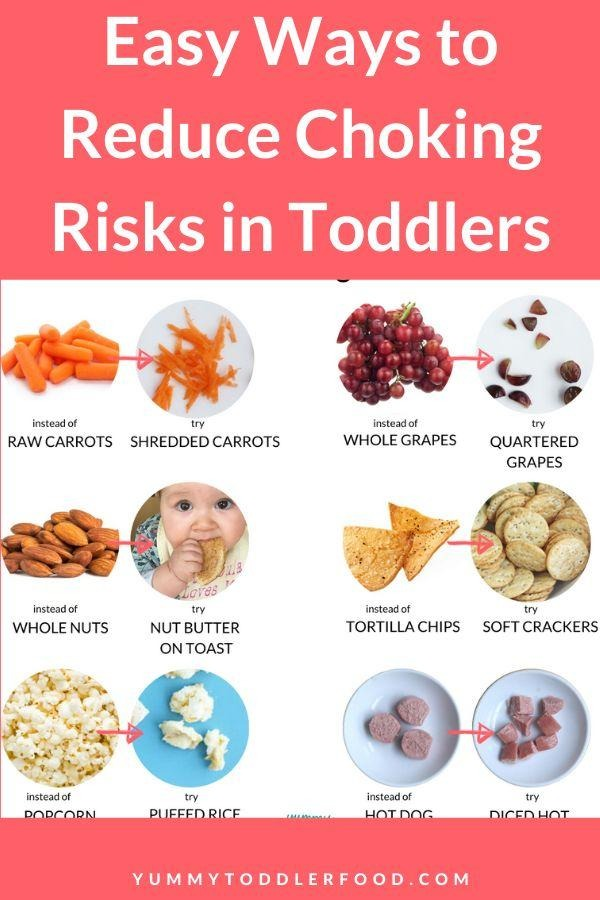
Common Choking Hazards Parents Often Overlook
Many parents baby-proof early but miss everyday risks that blend into routine life:
- Round foods like grapes and cherry tomatoes
- Sticky foods such as peanut butter
- Hard candies and chewing gum
- Small toy parts and batteries
- Bottle caps, pen lids, and coins
- Pillows, blankets, and soft bedding
Child healthcare experts consistently emphasize that choking prevention isn’t just about supervision—it’s about environment design and readiness.
What to Do When a Child Is Choking: The Traditional Approach
For decades, parents have been taught standard first aid responses:
- Back blows for infants
- Abdominal thrusts (Heimlich maneuver) for older children
- CPR if the child becomes unresponsive
These techniques can be lifesaving, but they require:
- Physical strength and precision
- Clear thinking during extreme stress
- Hands-on training that many parents never receive
In real-world emergencies, especially when caregivers are alone or panicking, these methods can be difficult to perform correctly.
This is where modern child healthcare solutions have entered the conversation—not to replace first aid, but to provide an additional option when seconds matter.
Introducing Modern Choking Rescue Devices in Child Healthcare
Over the last decade, non-invasive choking rescue devices have gained attention among parents, schools, and care facilities. These tools are designed to help remove airway obstructions using controlled suction rather than force.
Among these, LifeVac has become one of the most recognized names in the category.
What Is LifeVac and How Does It Work?
LifeVac is a portable, manual choking rescue device that uses one-way suction to help dislodge an airway obstruction. It does not rely on electricity or batteries and is designed to be simple to operate during emergencies.
Here’s how it fits into a child protection plan:
- Non-invasive: No insertion into the airway
- Designed for stress: Simple steps, minimal setup
- Reusable: Intended for multiple emergency uses
- Accessible: Can be used by parents, teachers, or caregivers
Importantly, LifeVac is positioned as a backup solution—not a replacement—for traditional first aid methods. It exists for situations where standard techniques fail or cannot be performed effectively.
Is LifeVac Safe for Children?
Safety is a critical concern for any child healthcare product. LifeVac has been widely discussed in emergency preparedness contexts because it aims to reduce risk by avoiding forceful thrusts that may be difficult to perform on small bodies.
While no device can guarantee outcomes in every situation, LifeVac has been used in thousands of reported emergency scenarios worldwide. Its design focuses on minimizing trauma while attempting to restore airflow quickly.
Parents considering any safety tool should:
- Review instructions carefully
- Understand age-appropriate usage
- Treat it as part of a broader safety plan
Preparedness, not panic, is the goal.
Why Parents Are Adding LifeVac to Their Child Protection Toolkit
Parents today are more informed—and more proactive—about safety than ever before. Many are choosing to keep LifeVac devices in kitchens, diaper bags, cars, and travel kits.
Common reasons include:
- Peace of mind during meals
- Backup when caregivers are alone
- Support for grandparents or babysitters
- Use in high-risk environments (daycares, schools)
From a child healthcare perspective, this reflects a broader trend: families want layered protection. They want education, prevention, and tools that work together.

Preparing Your Home for Choking Emergencies
Child protection is strongest when it’s systematic. Consider these steps:
- Choking audit: Walk through your home and identify hazards
- Meal routines: Sit children upright, avoid distractions
- Education: Teach caregivers age-appropriate first aid
- Accessibility: Store emergency tools where they’re easy to reach
- Practice: Review steps so responses become instinctive
Emergencies don’t announce themselves. Preparation turns fear into action.
Child Healthcare Is About Prevention and Readiness
The goal of child healthcare isn’t just treatment—it’s prevention and preparedness. While no parent wants to imagine a choking emergency, ignoring the possibility doesn’t reduce risk. Planning does.
By combining:
- Awareness of hazards
- Safe feeding practices
- First aid knowledge
- Modern safety tools
Parents can create an environment where children are protected not only by supervision, but by systems designed to respond when supervision isn’t enough.
Addressing Common Parent Questions
Do choking rescue devices replace CPR or the Heimlich maneuver?
No. They are considered supplemental tools to be used when standard methods fail or cannot be performed.
Can LifeVac be used on infants and children?
LifeVac kits typically include different mask sizes designed for various age groups. Parents should always follow manufacturer guidance.
Is having a device enough?
No. Education, supervision, and prevention remain essential components of child protection.
The Emotional Side of Child Protection
Parenting comes with constant decision-making under uncertainty. The choices parents make around safety are deeply emotionally rooted in love, responsibility, and the desire to be prepared.
Having a plan for choking emergencies doesn’t mean living in fear. It means choosing confidence over panic.
Final Thoughts: Building a Smarter Child Protection Strategy
Child protection and child healthcare are not single actions; they’re ongoing commitments. Choking prevention sits at the intersection of awareness, environment, and readiness.
Parents who take the time to:
- Learn the risks
- Prepare their homes
- Equip themselves with knowledge and tools
are giving their children something invaluable: a safer world to grow up in.
If you’re building a comprehensive safety plan for your family, exploring modern choking rescue options like LifeVac can be a thoughtful step toward preparedness—one that complements traditional first aid and supports fast action when every second counts.
Shop Now