
There’s a reason so many entrepreneurs, creators, and developers search for Namecheap before launching a website.
The promise is simple:
Domains and hosting that don’t feel like a financial commitment.
But in an industry where “cheap” often translates to hidden fees, aggressive upsells, and painful renewals, the real question isn’t whether Namecheap is affordable.
It’s whether it’s smart.
After evaluating pricing structures, renewal models, usability, and long-term ownership costs, here’s the honest editorial verdict:
Namecheap is one of the best domain registrars for long-term value — and a solid entry-level host.
The Positioning: Why Namecheap Exists
Namecheap was founded in 2000 and is an ICANN-accredited registrar — a key trust signal in the domain industry.
Its philosophy has always centered on:
- Lower upfront domain pricing
- Free WHOIS privacy
- A cleaner dashboard
- Fewer aggressive upsells
That positioning still defines the company in 2026.
Domains: Where Namecheap Truly Wins
If you’re buying a domain, this is where Namecheap shines.
A standard .com domain typically starts around $8–$10 in year one, renewing around $14–$16.
What separates it from many competitors is this:
WHOIS privacy is included for free.
By contrast, competitors like GoDaddy often charge separately for domain privacy after the promotional period.
Over a 3–5 year ownership window, that difference compounds.
If you want to compare domain registrars directly, Namecheap’s domain search tool is here:
? https://www.namecheap.com/domains/
For long-term domain ownership, Namecheap offers one of the cleanest value propositions in the industry.
Hosting: Solid for Most, Not Built for Scale
Namecheap’s hosting lineup includes:
- Shared hosting – https://www.namecheap.com/hosting/shared/
- Managed WordPress (EasyWP) – https://www.namecheap.com/wordpress/
- VPS hosting – https://www.namecheap.com/hosting/vps/
- Dedicated servers – https://www.namecheap.com/hosting/dedicated-servers/
For small businesses and bloggers, shared hosting is sufficient.
However, if you’re comparing against premium providers like SiteGround, you’ll notice:
- Slightly more performance tuning
- Advanced caching layers
- Higher-touch support
But you’ll also pay significantly more.
For early-stage projects, Namecheap hosting is cost-efficient and practical. For high-scale operations, you may want enterprise infrastructure.
Renewal Pricing: The Important Fine Print
Like most hosting providers, Namecheap offers promotional pricing in year one.
You can view their current pricing directly here:
? https://www.namecheap.com/hosting/
Renewals typically increase after the first term — but remain competitive relative to the market.
For example:
- Year 1 promo: ~$2–$3/month
- Renewal: ~$4–$6/month
The smart move is calculating total 3-year cost rather than reacting to introductory pricing.
Namecheap doesn’t bury renewal pricing — but it doesn’t highlight it aggressively either.
Usability: One of Their Quiet Strengths
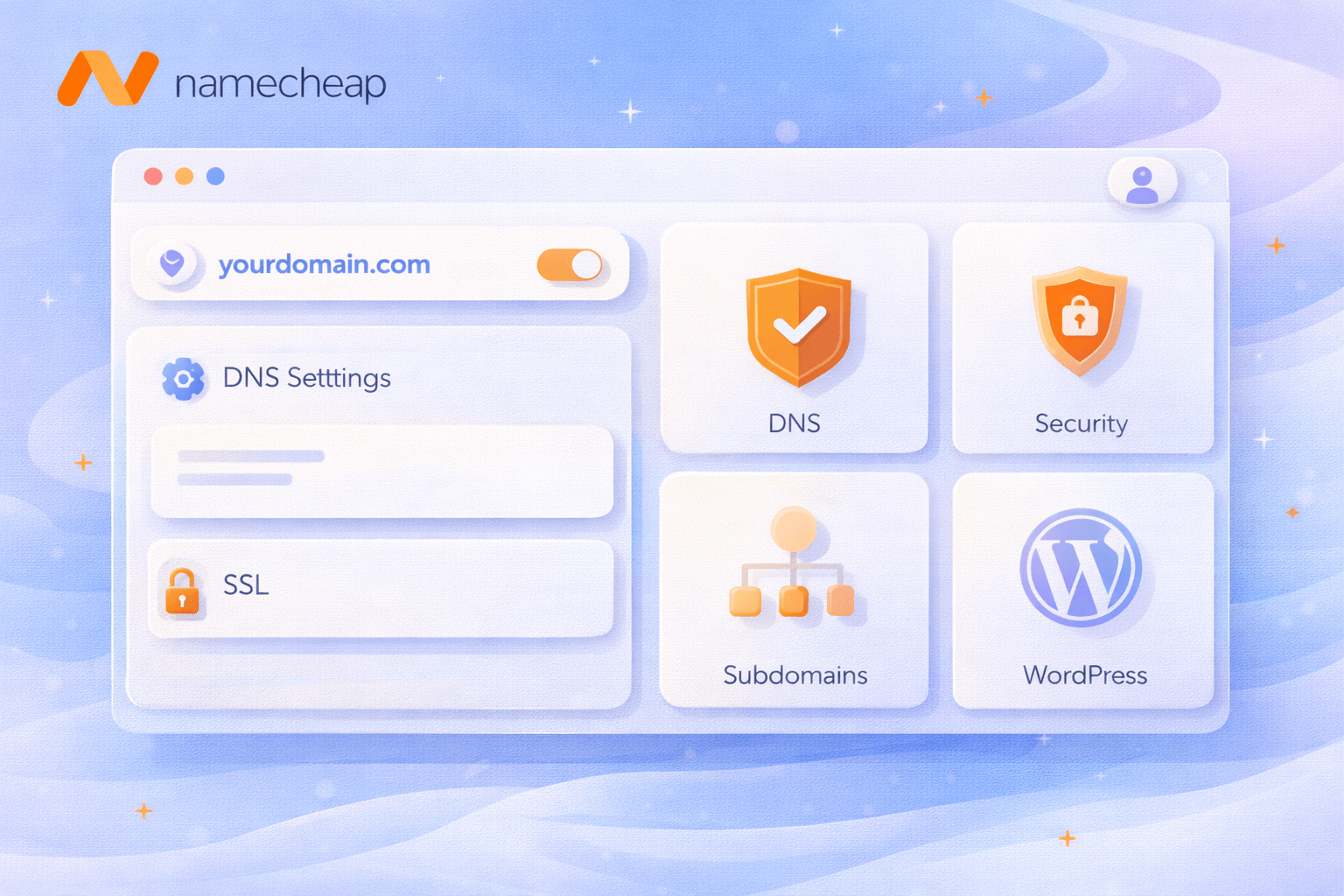
The Namecheap dashboard is refreshingly clean.
You can manage domains here:
? https://ap.www.namecheap.com/
Features include:
- DNS management
- Domain forwarding
- Subdomain creation
- Free SSL activation
- Two-factor authentication
It uses cPanel for traditional hosting environments, which remains a widely recognized industry standard.
For WordPress users, EasyWP simplifies setup considerably.
If you want official WordPress hosting requirements, see:
? https://wordpress.org/hosting/
Security & Privacy: Strong for the Price
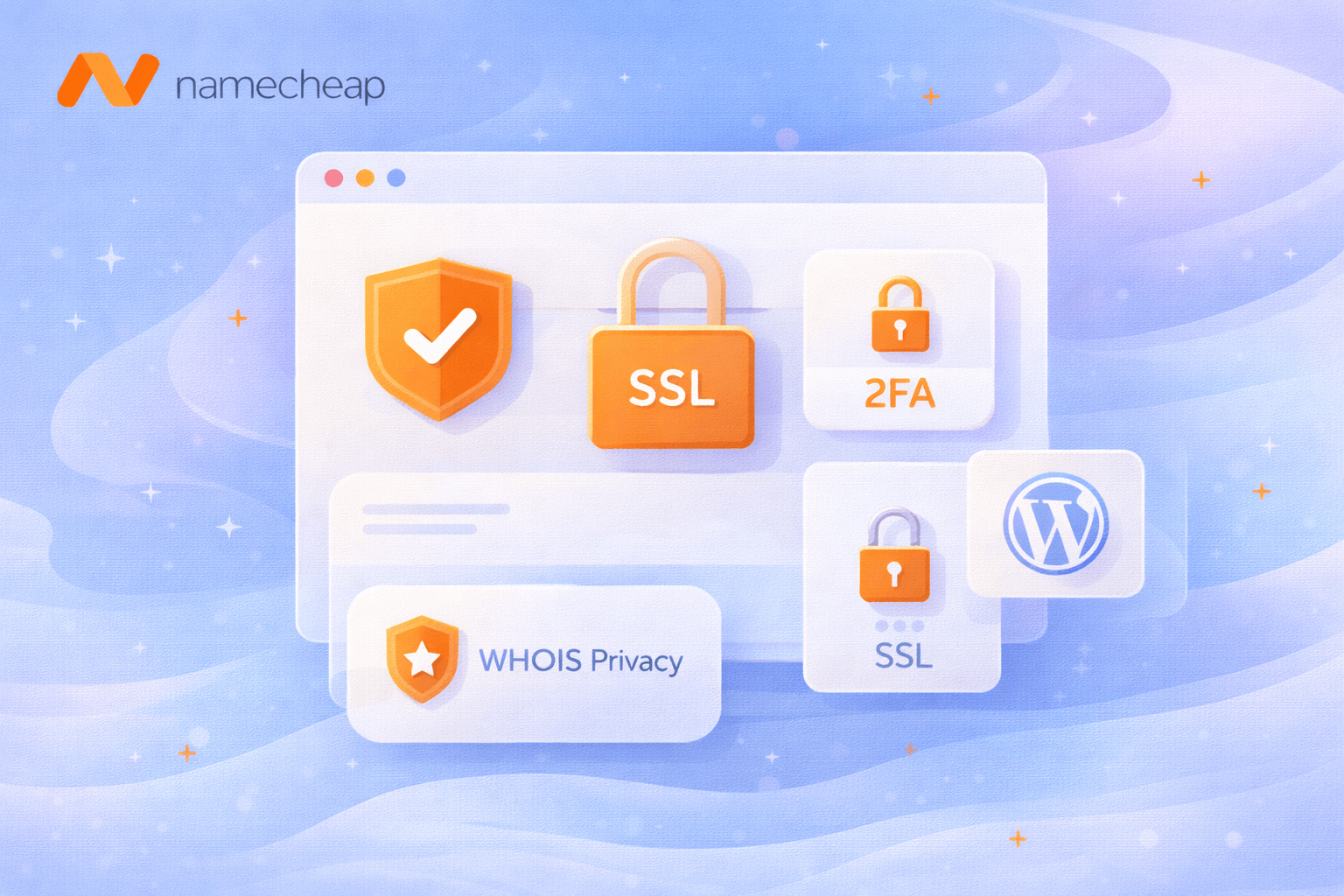
Security features include:
- Free WHOIS privacy
- Free SSL (select plans)
- 2FA login protection
- Domain lock
- DDoS protection
You can explore SSL options here:
? https://www.namecheap.com/security/ssl-certificates/
Given that WHOIS privacy is now essential for protecting personal information, this is a major value differentiator.
Is Namecheap Legit?
Yes.
Namecheap is:
- ICANN-accredited
- Operating since 2000
- Trusted by millions of domain owners
You can verify ICANN accreditation here:
? https://www.icann.org/resources/pages/accredited-registrars
This is not a discount fly-by-night registrar.
Final Editorial Verdict
If you’re registering domains, Namecheap is one of the smartest long-term value plays in 2026.
If you’re launching a small website, it’s more than sufficient.
If you’re building enterprise infrastructure, look at higher-tier providers.
The key isn’t whether Namecheap is cheap.
It’s whether it aligns with your scale.
And for most individuals, startups, and lean businesses — it does.
Shop Now