
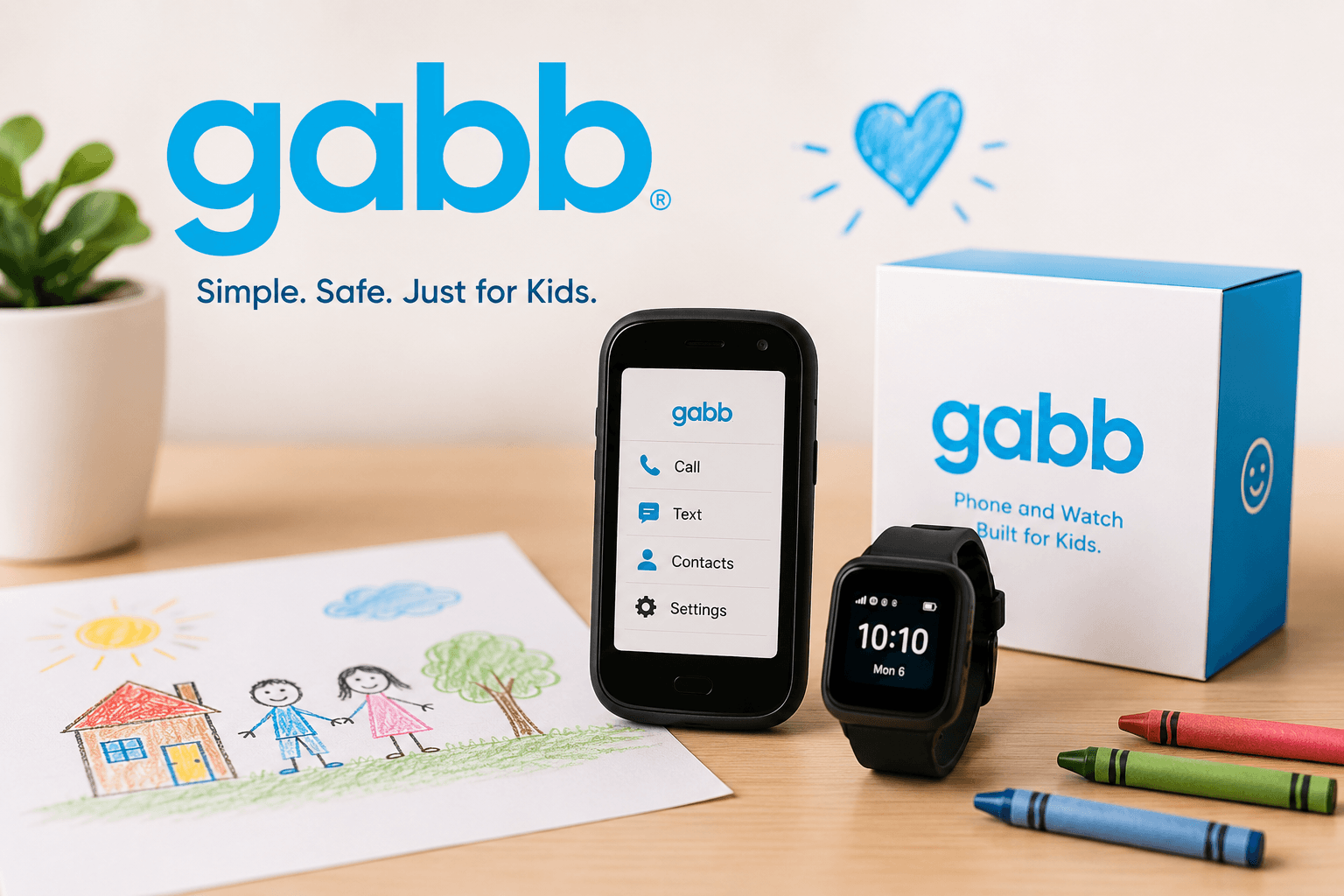
We expected another company selling simplified phones with a few parental controls attached.
We expected to compare models.
Maybe glance at a pricing page.
Then move on.
Instead, we found ourselves spending much longer than planned thinking about a question we hadn’t seriously considered before.
What if a child’s first phone simply didn’t need internet access at all?
Five Minutes In, We Realized Gabb Was Selling Less Technology, Not More
Most companies selling technology to families seem to compete over who can offer more.
More apps.
More entertainment.
More features.
More reasons for kids to spend additional hours staring at screens.
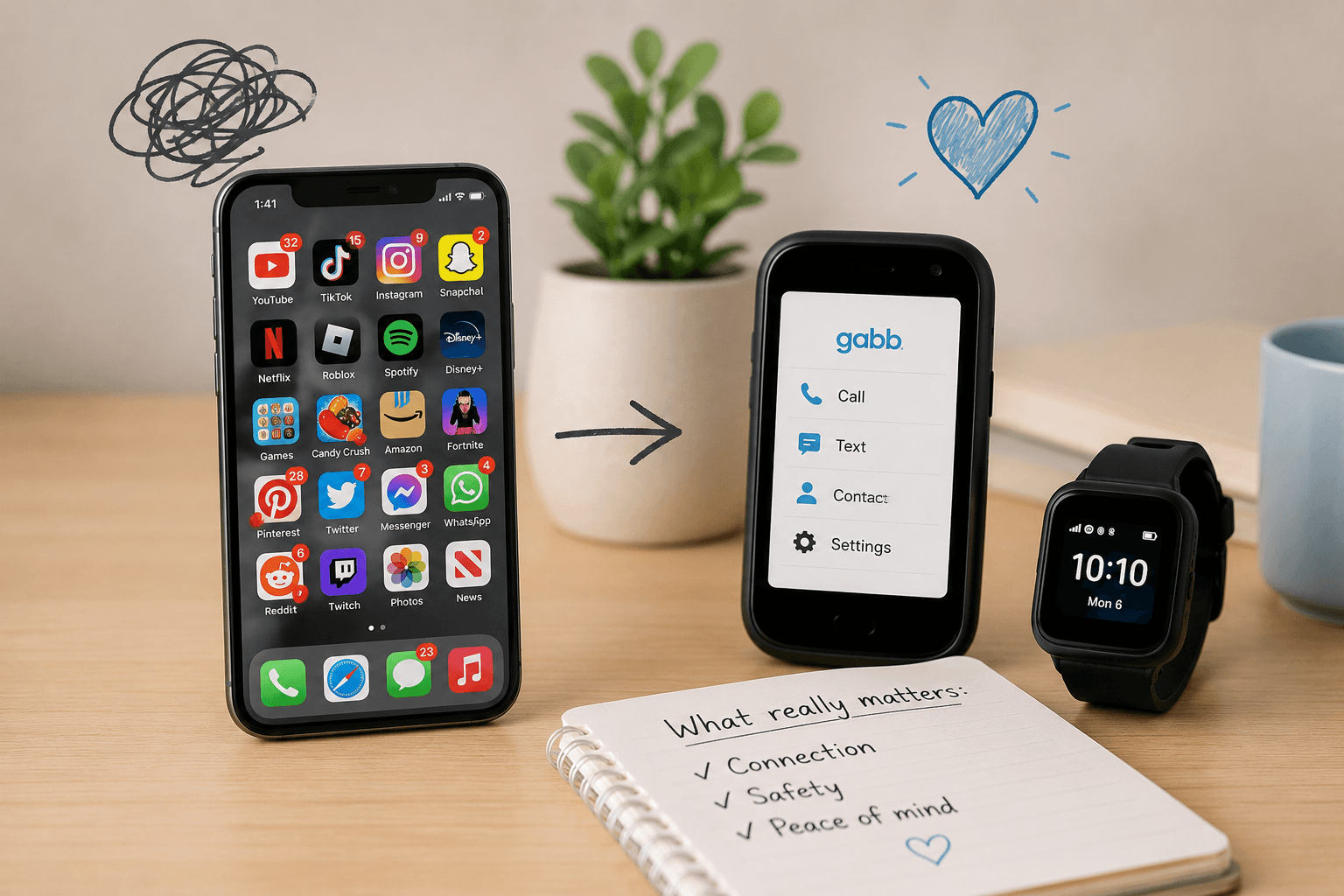
Gabb appears to be trying to do the opposite.
No internet browser.
No social media.
No unrestricted app store.
At first, that felt surprisingly restrictive.
Then we remembered how many adults spend half their day trying to reduce their own screen time.
Maybe giving children fewer distractions from the beginning isn’t such a strange idea after all.
The entire experience feels less like shopping for technology and more like deciding how much digital independence you’re comfortable handing over.
We Came Looking At Phones. Somehow The Watches Kept Pulling Us Back
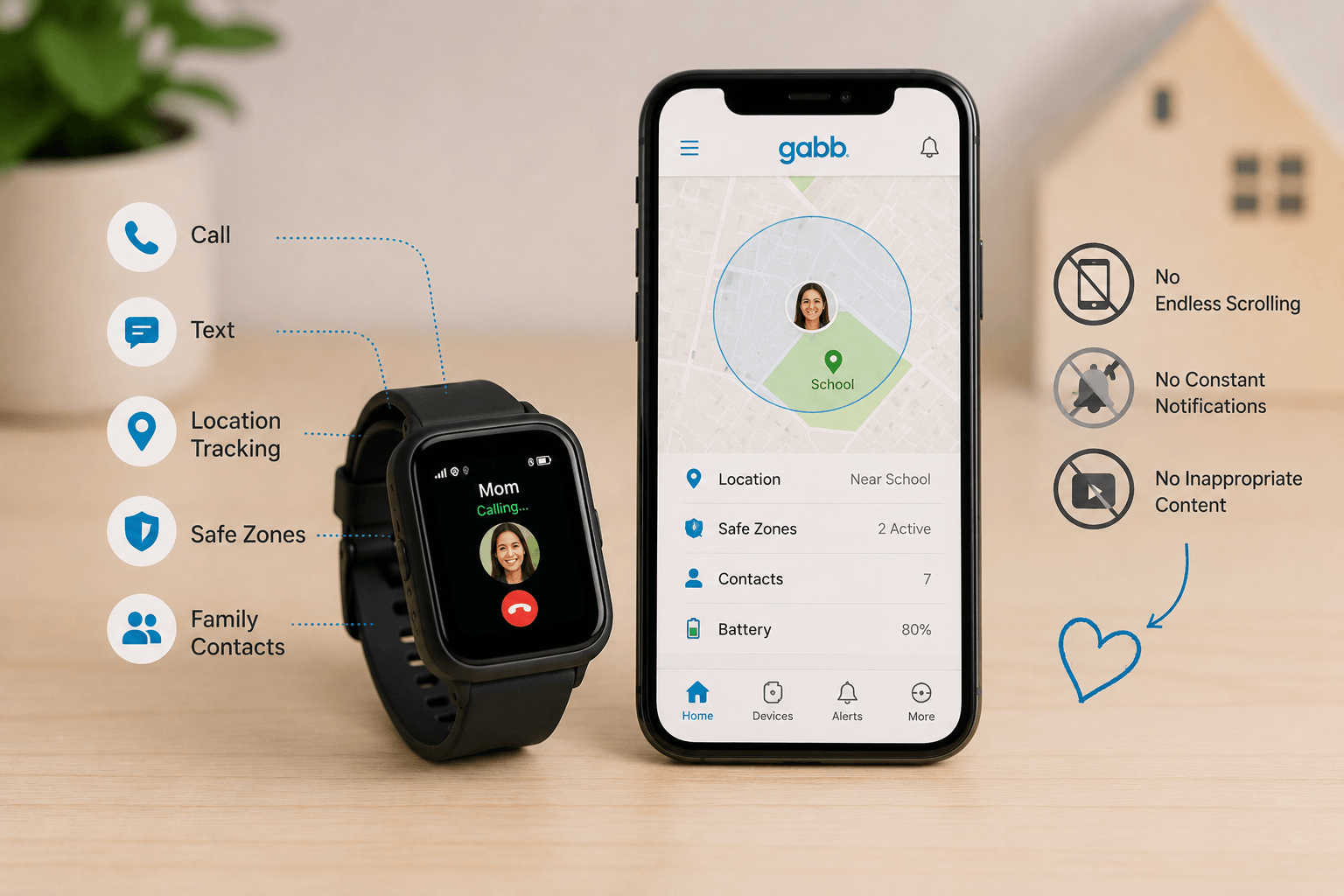
Initially, we assumed the phones would be the main attraction.
Then we discovered the watches.
And honestly, they started making an uncomfortable amount of sense.
Kids can call.
Kids can text.
Parents can see locations.
Safe zones can be created.
Children can reach family members.
But there isn’t much else to do.
No endless scrolling.
No notifications arriving every thirty seconds.
No accidental discovery of videos they probably shouldn’t be watching.
For younger children, it almost feels like someone designed a device specifically for parents who want communication without introducing an entire digital ecosystem into their child’s life.
The Longer We Browsed, The More Gabb Started Feeling Like A Rebellion Against Smartphones
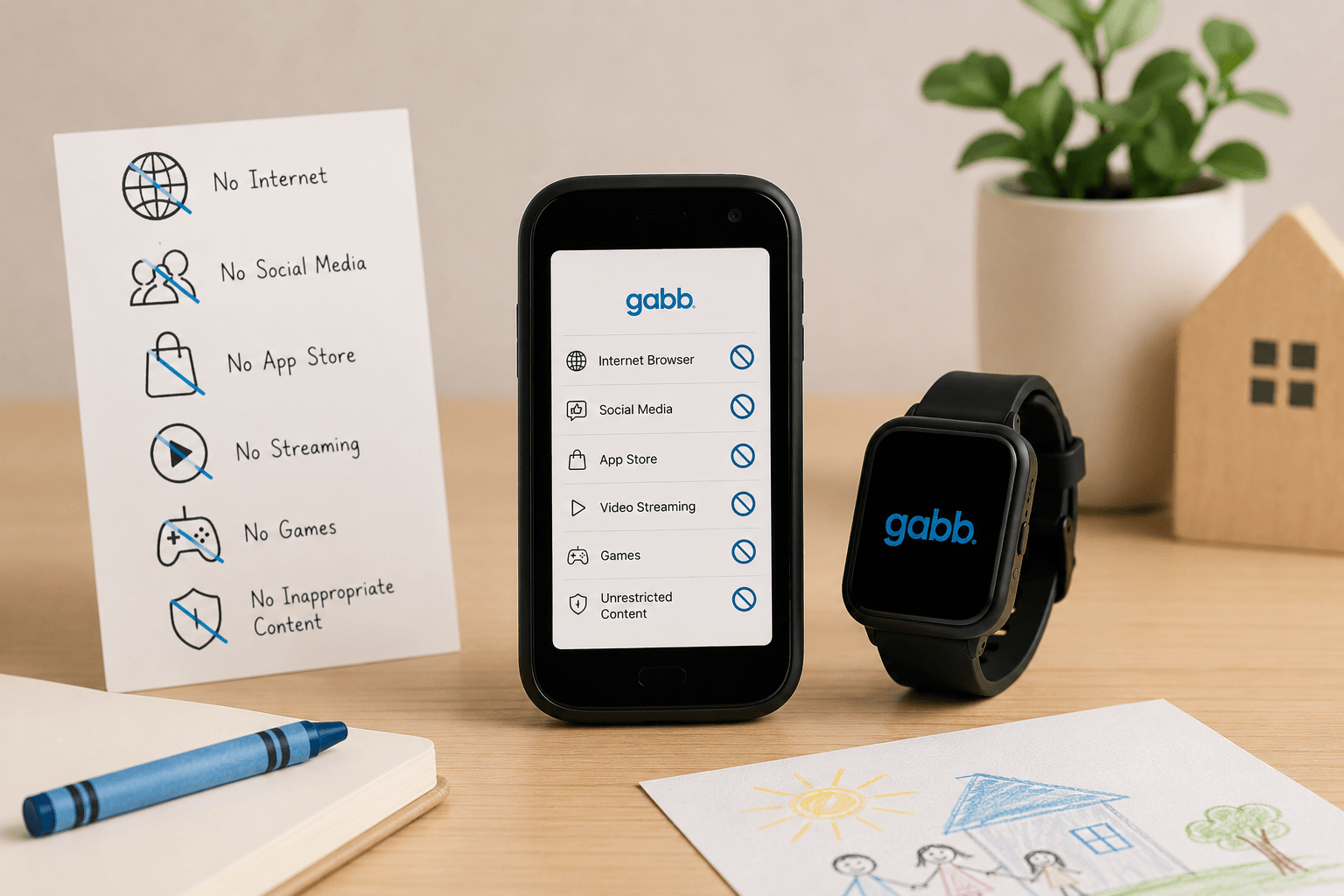
That was probably the biggest surprise.
The website doesn’t really spend much time convincing visitors that technology is exciting.
It spends most of its time explaining why certain features don’t exist.
Normally, companies brag about what their products can do.
Gabb often explains what its devices refuse to do.
And strangely enough, that’s what kept us browsing.
There was something refreshing about seeing a company suggest that maybe children don’t need access to every corner of the internet the moment they learn how to read.
It felt less like a tech company trying to keep up with competitors.
And more like a company quietly asking whether kids need competitors’ products in the first place.
At Some Point, We Stopped Thinking About Devices And Started Thinking About Parenting
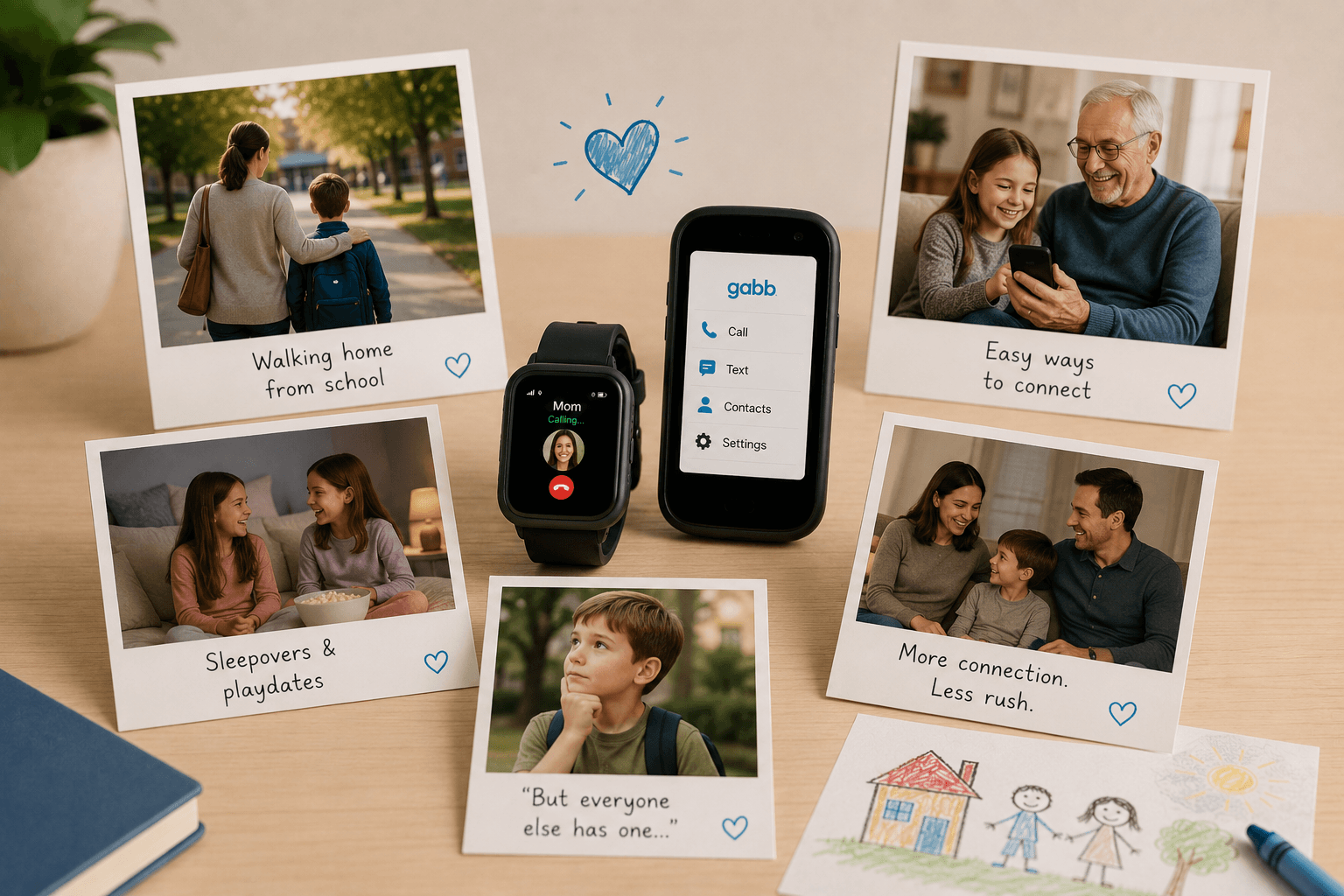
Some products seem designed for very specific situations.
Parents with children walking home from school.
Families trying to delay social media for a few more years.
Grandparents wanting an easy way to call.
Kids attending sleepovers.
Children asking for phones because everyone else already has one.
Gabb doesn’t really seem interested in competing with flagship smartphones.
It feels more interested in helping families postpone that conversation entirely.
And depending on your perspective, that might be its biggest selling point.
A Few Things We Probably Should Have Looked Into Earlier
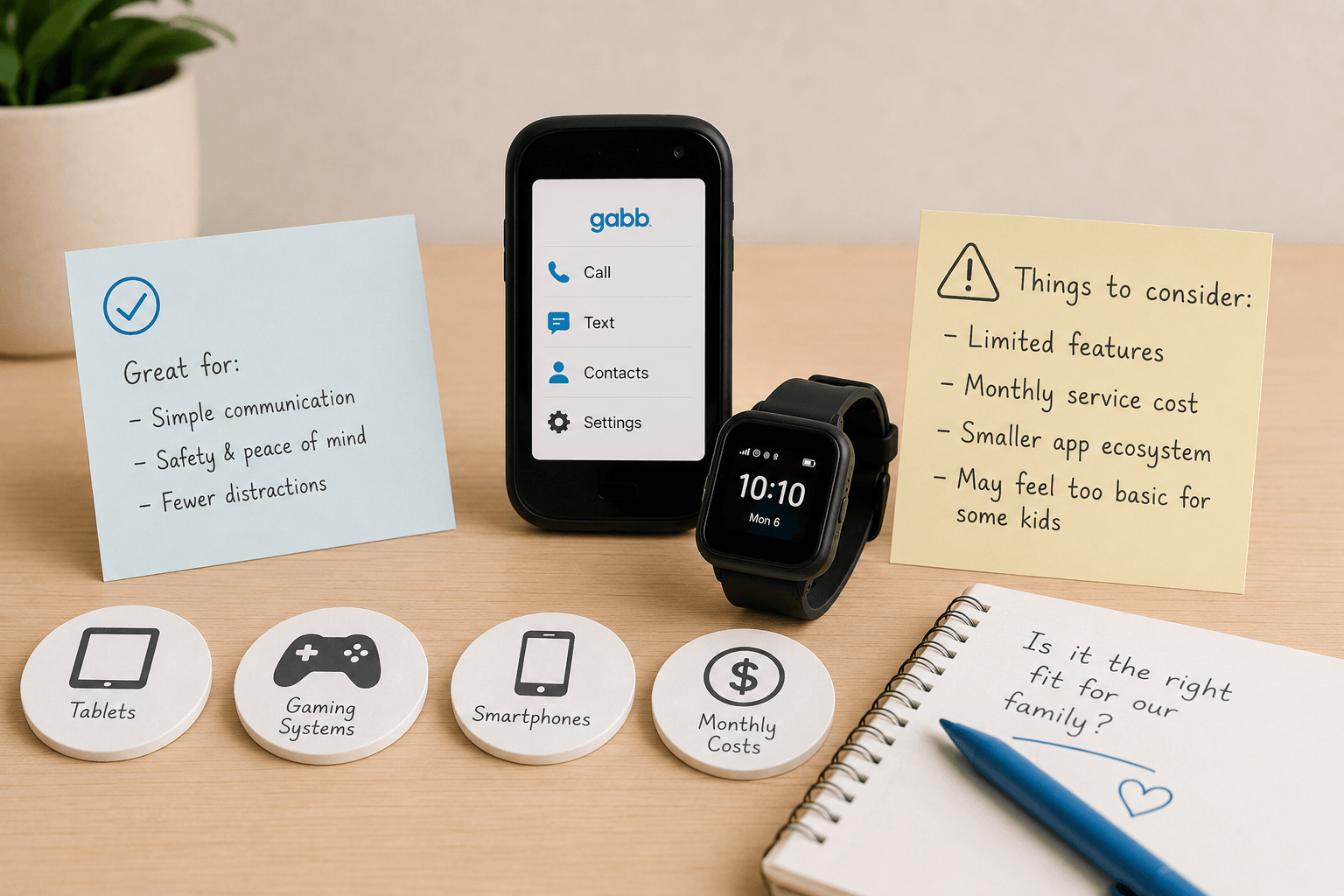
Gabb’s approach is intentionally limited.
For some families, that will be perfect.
For others, it might eventually feel restrictive.
Children who already use tablets, gaming systems, or traditional smartphones may find the experience somewhat basic.
Monthly service plans also add to the overall cost.
And while approved apps are available on certain devices, the ecosystem remains much smaller than what most people are accustomed to.
None of these feel like deal breakers.
But they are probably worth considering before making a decision.
Final Thoughts: We Arrived Looking At Kids’ Phones. We Left Questioning Whether Kids Needed Smartphones At All
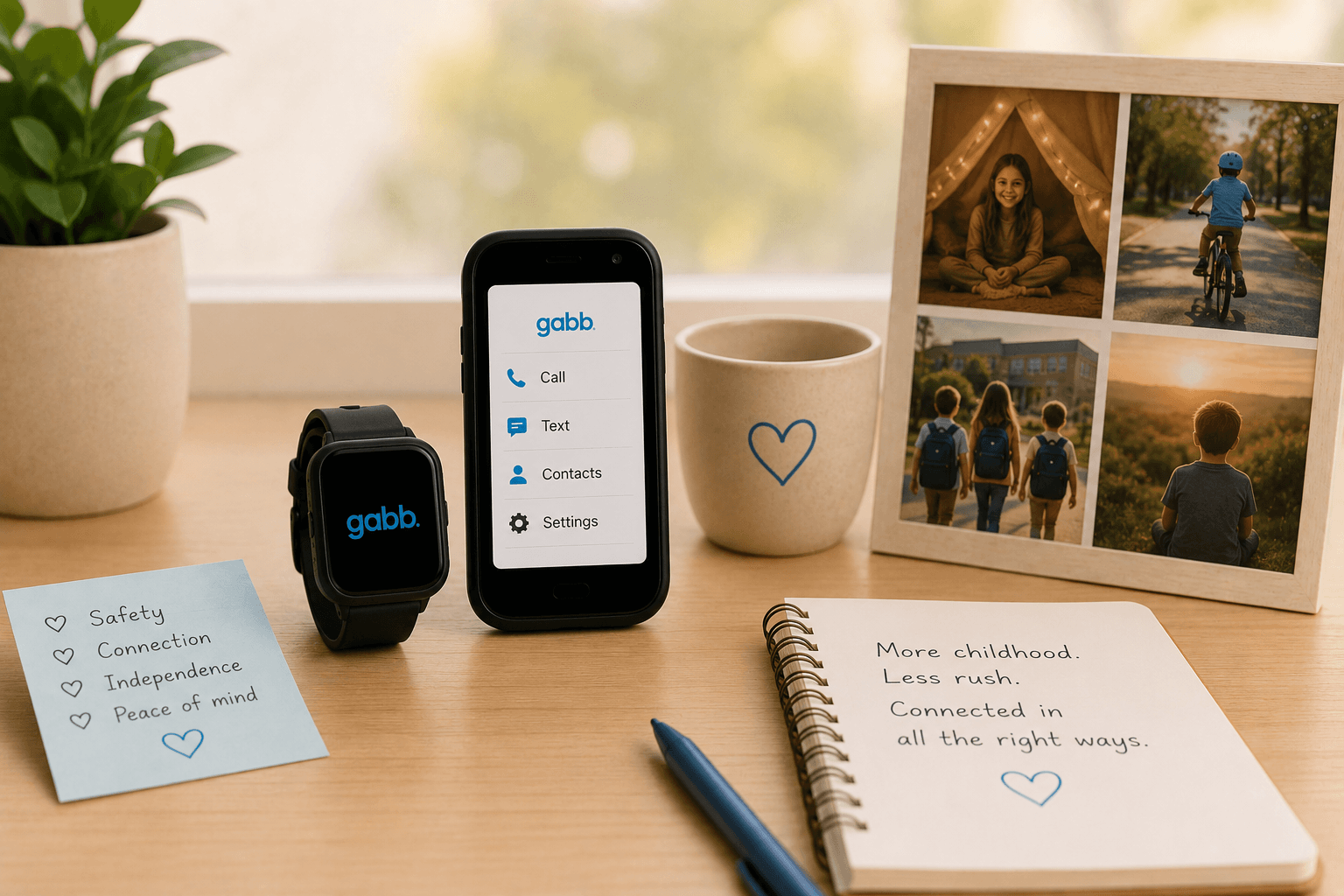
By the end of our visit, we weren’t really comparing devices anymore.
We were thinking about first sleepovers.
Bike rides around the neighborhood.
After-school activities.
The age when children start asking for more independence.
Gabb doesn’t really seem interested in selling phones.
It sells breathing room.
The idea that children can stay connected without immediately inheriting the same digital habits adults spend years trying to undo.
We arrived expecting another company promising stricter parental controls.
We left wondering whether the better solution might simply be delaying the smartphone experience altogether.
And honestly, that’s probably the strongest compliment we can give the experience.