
There are certain chores and routines you stop noticing because they’ve always existed.
Checking whether the front door is locked.
Vacuuming before guests arrive.
Wondering who rang the doorbell while you’re away.
Moving a baby monitor from room to room.
Walking outside to see whether a motion alert was actually important.
We assumed Eufy was simply another company selling security cameras.
Maybe a robot vacuum or two.
We expected to spend ten minutes comparing outdoor cameras and leave.
Instead, we spent the next hour discovering products we hadn’t considered replacing, automating, or improving.
At some point, browsing Eufy stopped feeling like shopping for gadgets.
It started feeling more like walking through a future version of our house.
We Came For One Category. Eufy Had Other Plans.
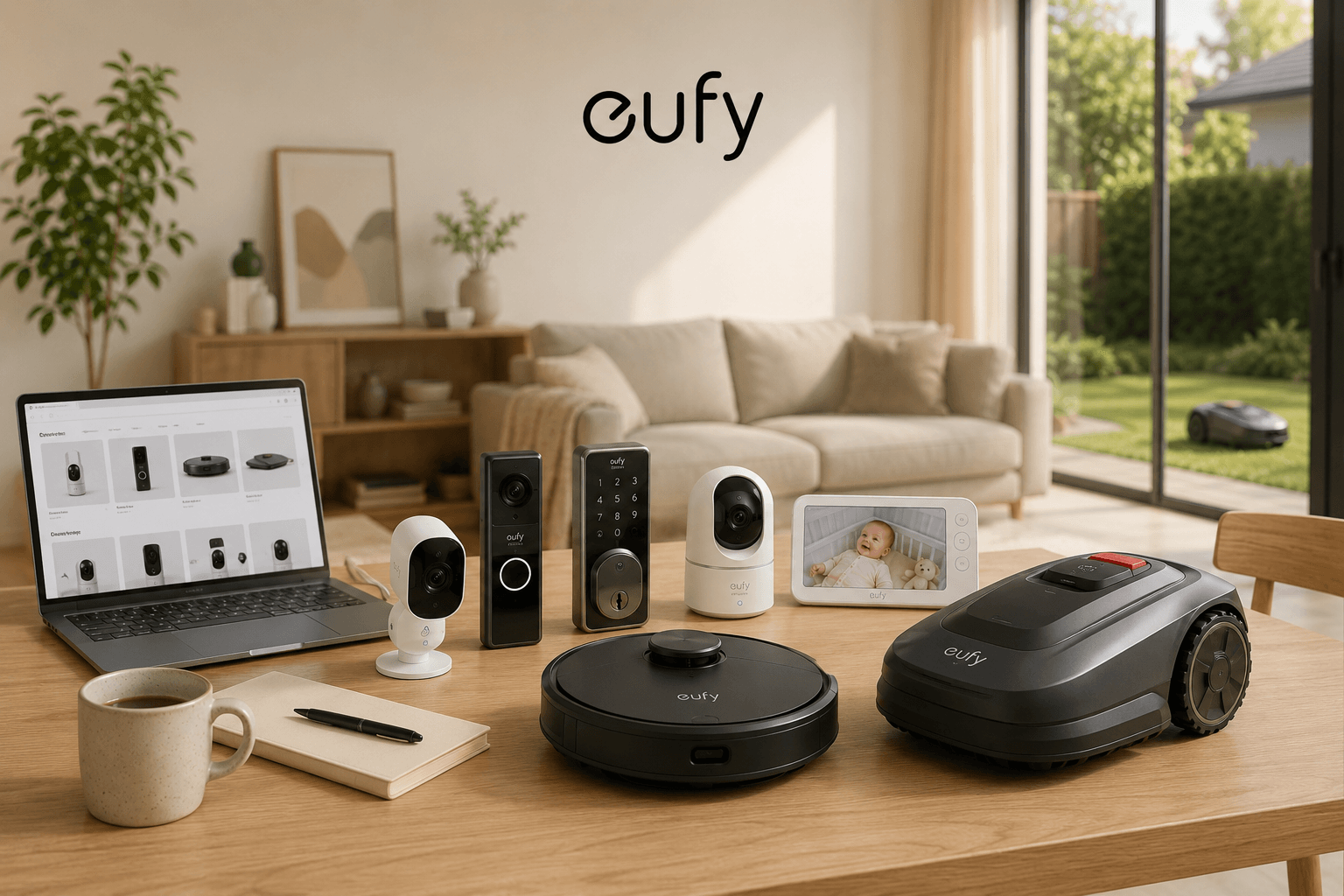
The original goal was straightforward.
Find a security camera.
Preferably one that didn’t require another monthly subscription.
That seemed easy enough.
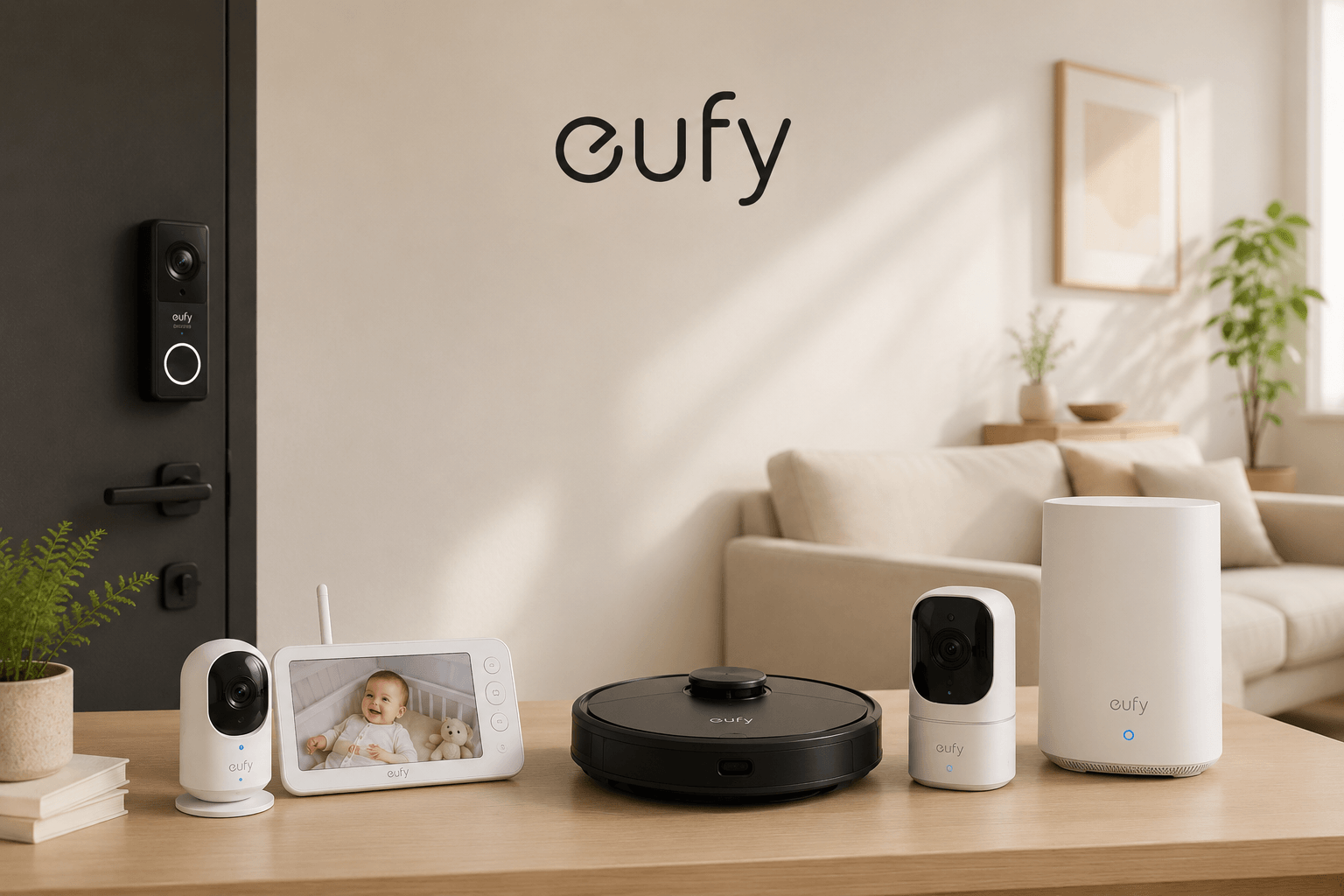
Then we noticed video doorbells.
Then smart locks.
Then indoor cameras.
Then robot vacuums.
Then robot lawn mowers.
Then baby monitors.
Then products we genuinely didn’t expect to find at all.
Suddenly the website felt less like an electronics store and more like someone asking:
“What small inconvenience would you like to stop dealing with forever?”
And honestly, that’s a surprisingly difficult question to ignore.
Five Minutes In, We Realized This Wasn’t Really A Camera Company.
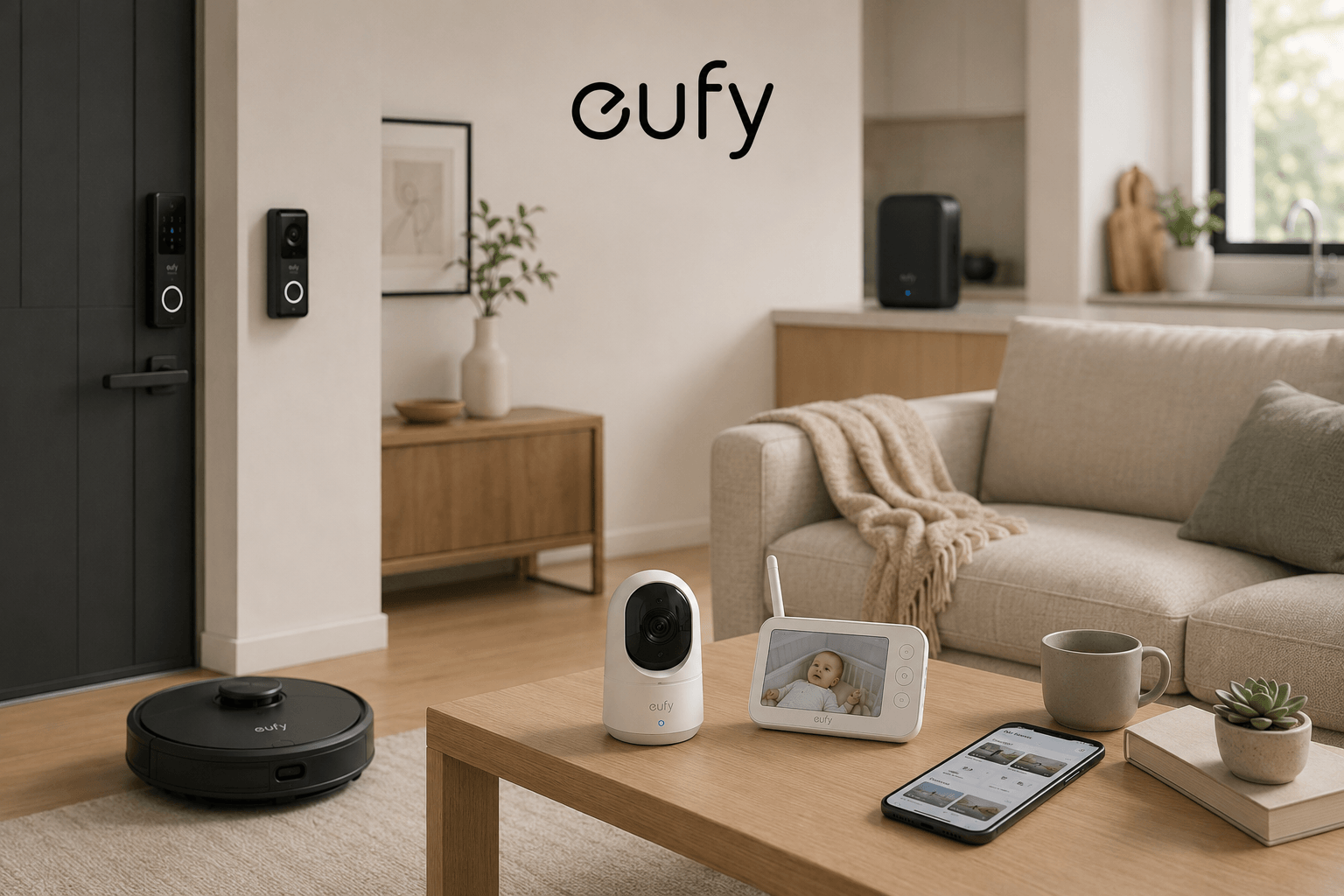
At first glance, Eufy appears to compete with brands that focus solely on home security.
Spend a little more time browsing, though, and a different picture emerges.
The company seems less interested in selling individual devices.
It feels more interested in reducing the number of things people need to think about every day.
A robot vacuum removes one task.
A smart lock removes another.
A video doorbell removes uncertainty.
A baby monitor adds peace of mind.
None of these products are particularly revolutionary on their own.
But together, they begin to create an environment where fewer things demand your attention.
And that’s what made us stay longer than we expected.
The Robot Vacuums Nearly Distracted Us From Why We Came.
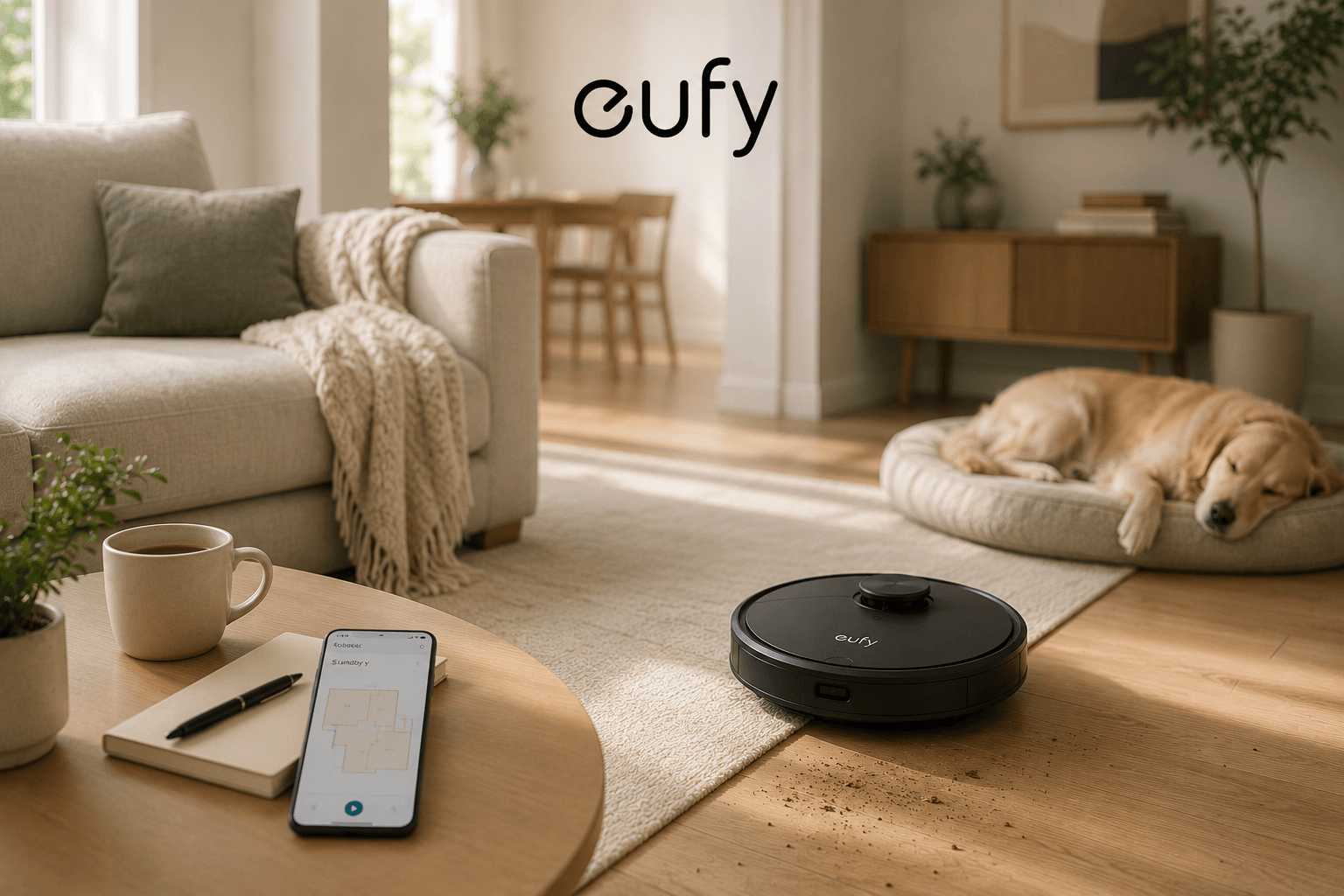
Somewhere along the way, we forgot we were shopping for security cameras.
The robot vacuums kept pulling us back.
At first, they seemed like an unnecessary luxury.
Then we started imagining Saturday mornings without dragging a vacuum around the house.
Then we imagined pet hair disappearing on its own.
Then we imagined floors staying clean without anyone mentioning them.
That’s when we realized Eufy’s products tend to work best when they solve problems people have quietly accepted.
You don’t necessarily need a robot vacuum.
Until you picture never vacuuming the kitchen after dinner again.
At Some Point, We Started Imagining A House That Mostly Takes Care Of Itself.
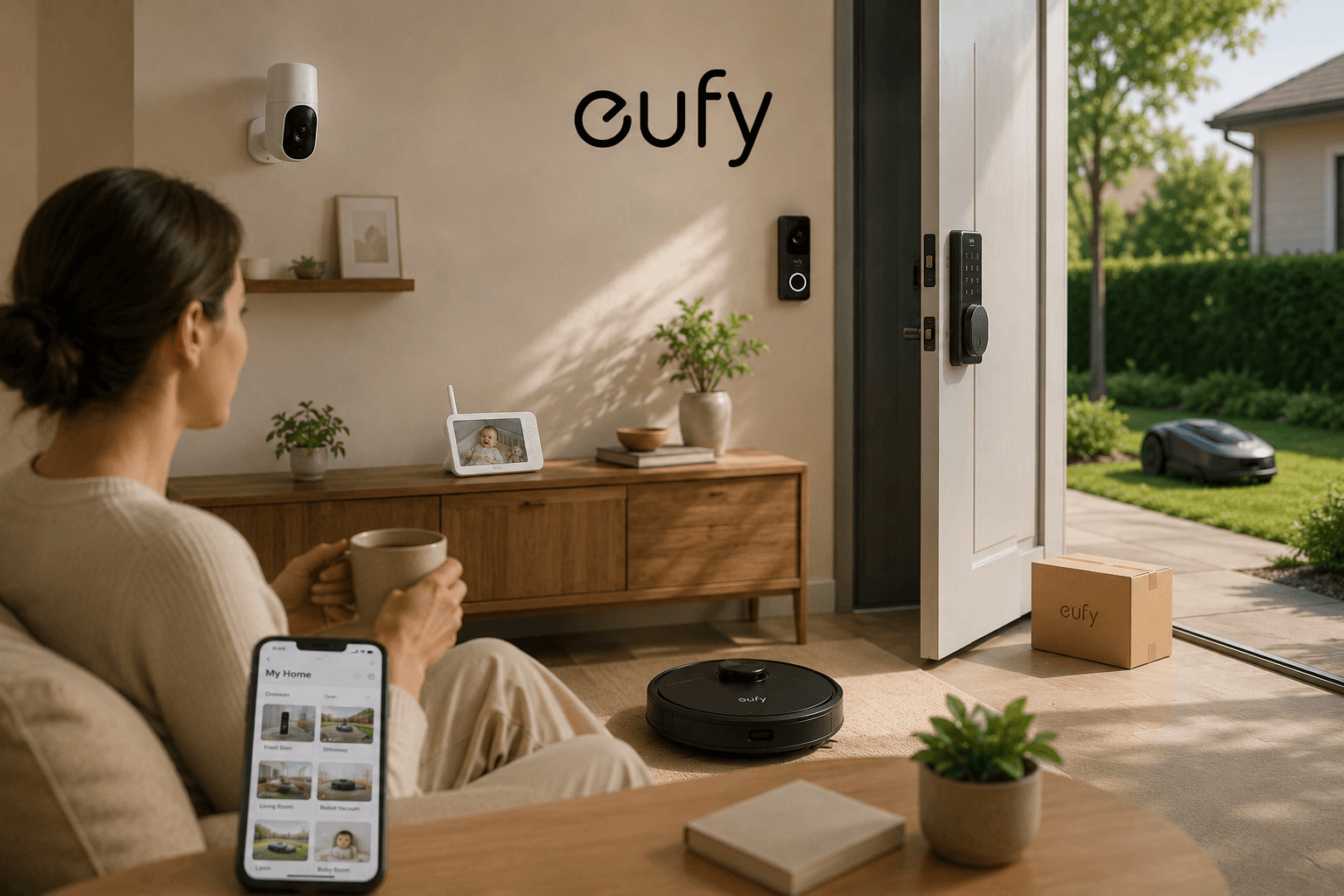
That was probably the biggest surprise.
The website gradually shifts your mindset.
You stop comparing product specifications.
You stop counting megapixels.
You stop thinking about battery life.
Instead, you begin imagining routines that simply happen automatically.
Doors lock themselves.
Packages get recorded.
The lawn gets trimmed.
Floors get cleaned.
You check your phone less often because fewer things require checking.
And somehow, a shopping session that started with one camera ends with you wondering whether your entire home could run a little more smoothly.
The Subscription Question Kept Coming Up.
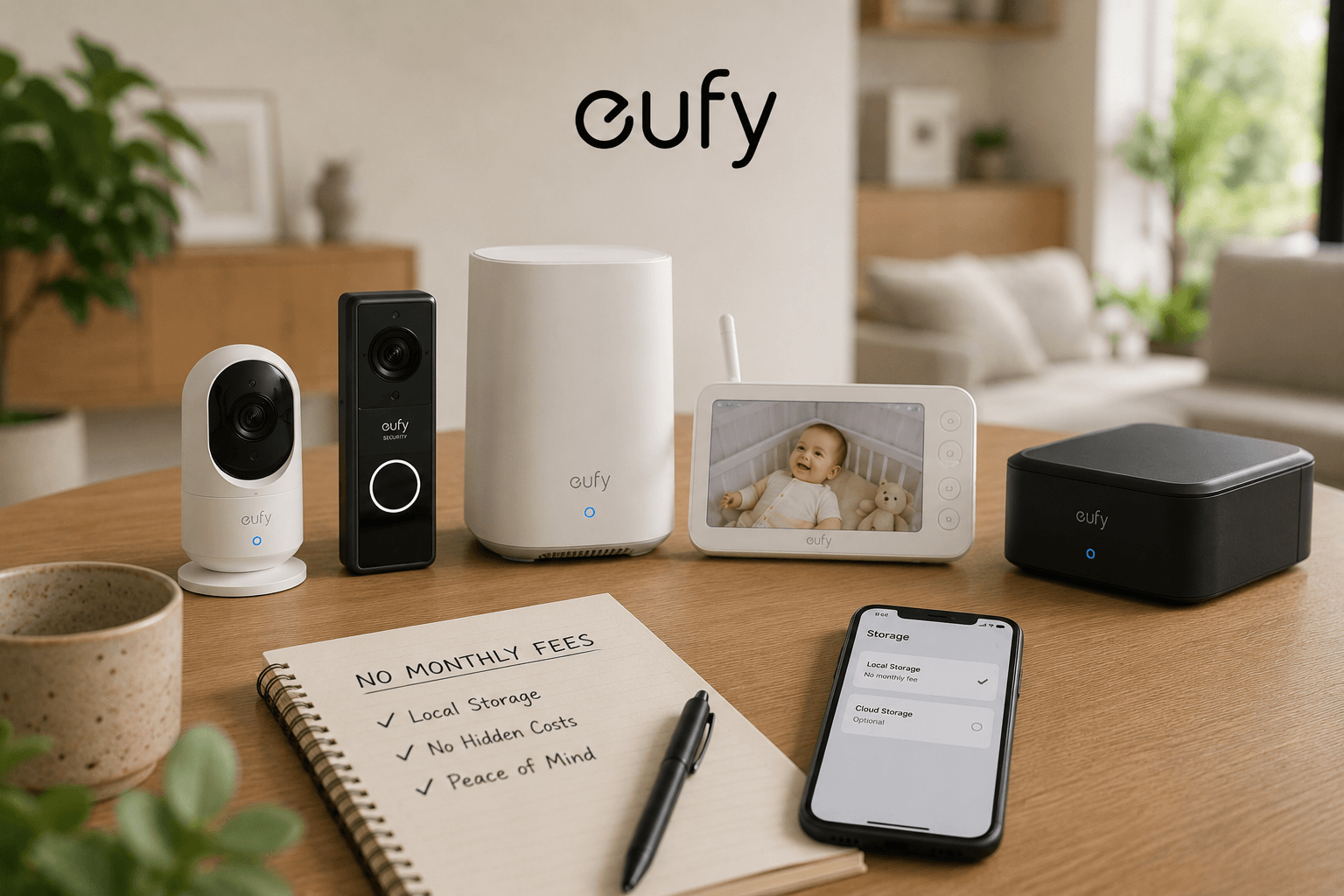
One thing we appreciated was discovering that many Eufy products focus on local storage options.
After years of seeing companies place basic features behind monthly fees, that felt refreshing.
Of course, some services and advanced features may still involve additional costs depending on the product.
But overall, Eufy seems designed for people who don’t necessarily want another recurring expense attached to every device in their home.
That alone will probably appeal to a lot of shoppers.
Not Everything Will Be Relevant To Everyone.
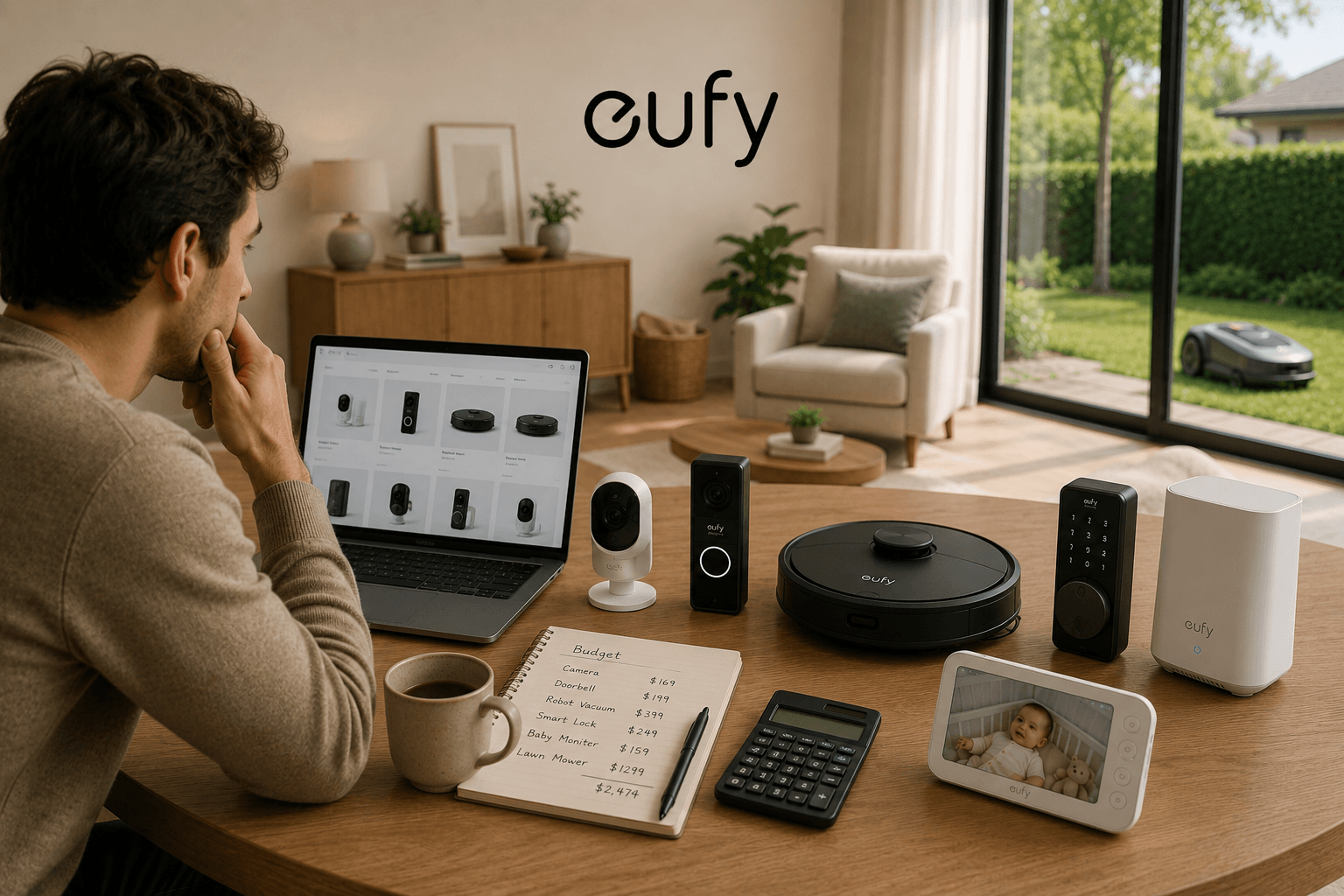
The biggest challenge with Eufy may simply be deciding where to stop.
Not everyone needs a robot lawn mower.
Not everyone has pets.
Not everyone has children.
And not everyone wants every aspect of their house connected through an app.
Some shoppers may arrive knowing exactly what they need.
Others may find themselves exploring categories they never intended to browse.
Neither approach feels wrong.
But it does help to set a budget before opening the website.
Because Eufy seems surprisingly good at turning practical purchases into larger home improvement conversations.
A Few Things We Wish We Had Known Earlier.
Browsing Eufy feels fairly intuitive.
Still, there are a few things worth keeping in mind.
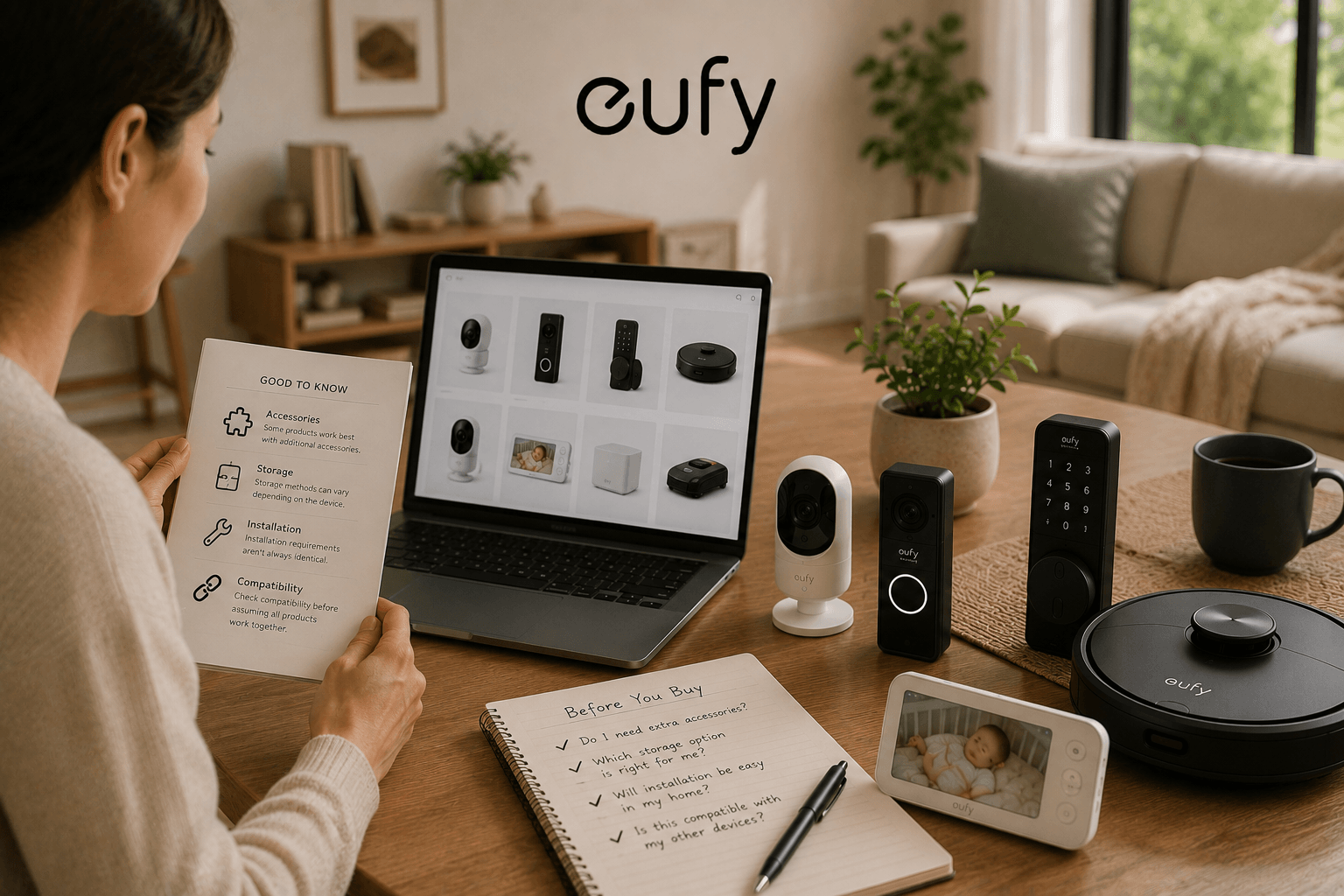
Some products work best when paired with additional accessories.
Storage methods can vary depending on the device.
Installation requirements aren’t always identical.
And because the ecosystem has expanded significantly, it helps to double-check compatibility before assuming every product integrates with every other product.
None of these are major drawbacks.
They’re simply details that become easier to understand after spending some time exploring the different categories.
Eventually, We Stopped Thinking About Smart Home Technology.
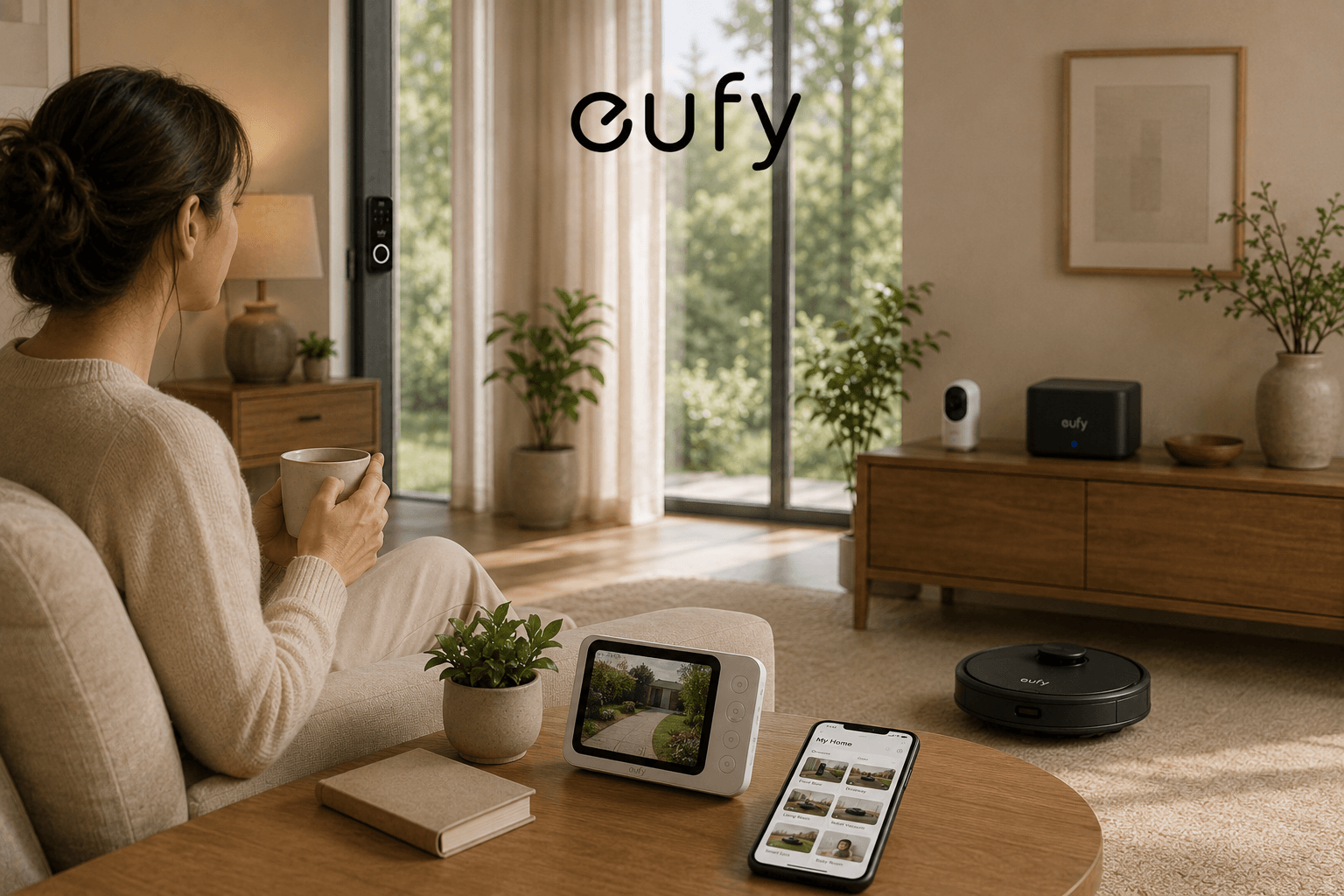
By the end of our visit, we weren’t really thinking about cameras anymore.
We were thinking about time.
The time spent vacuuming.
The time spent checking doors.
The time spent walking outside after hearing a noise.
The time spent wondering whether a package had arrived.
Eufy doesn’t really seem obsessed with selling smart devices.
It feels more interested in helping people spend less energy managing ordinary household tasks.
And perhaps that’s why the products feel appealing.
Not because they look futuristic.
But because they promise a version of everyday life that feels just a little easier.
Final Verdict: Eufy Doesn’t Really Sell Gadgets. It Sells Fewer Things To Remember.
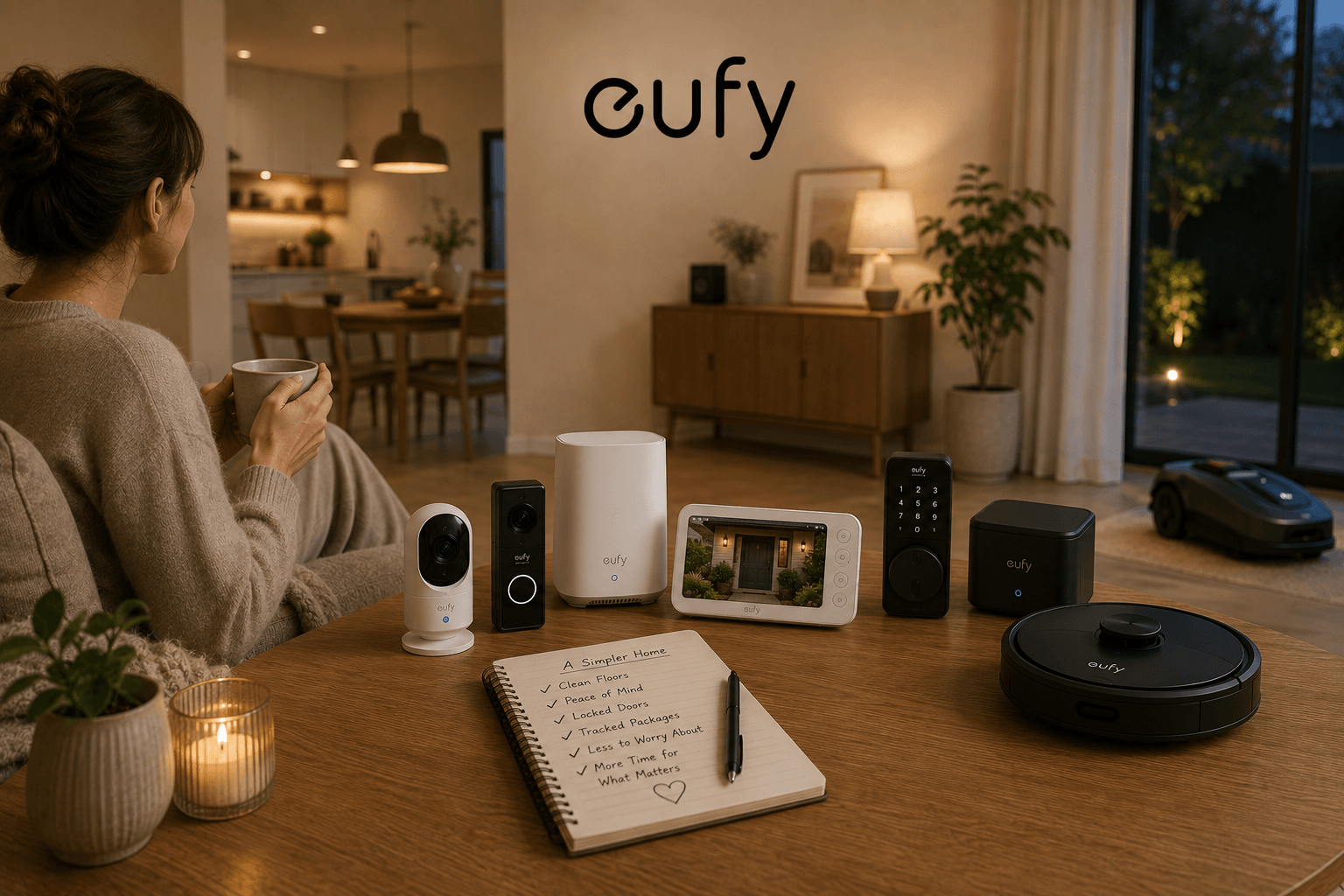
We expected to compare a few security cameras.
We expected to choose one model.
We expected to leave ten minutes later.
Instead, we spent far longer than planned imagining a home where more things happened automatically.
Where floors stayed cleaner.
Where packages were easier to track.
Where doors locked themselves.
Where everyday chores quietly disappeared into the background.
Eufy doesn’t really sell excitement.
It sells convenience.
The idea that dozens of tiny responsibilities can slowly become someone else’s job.
Or in this case, a robot’s.
And honestly, that’s a much easier idea to get attached to than we ever expected.